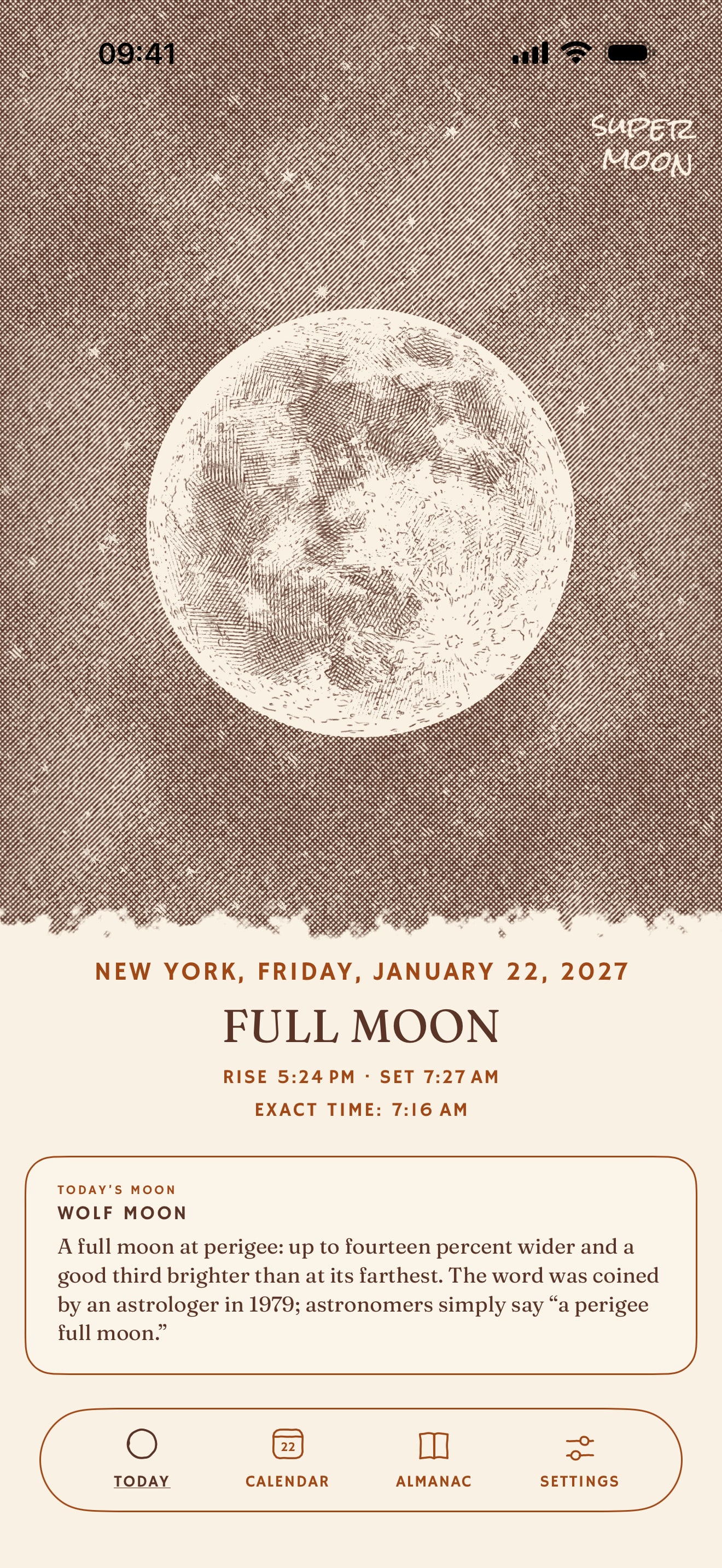
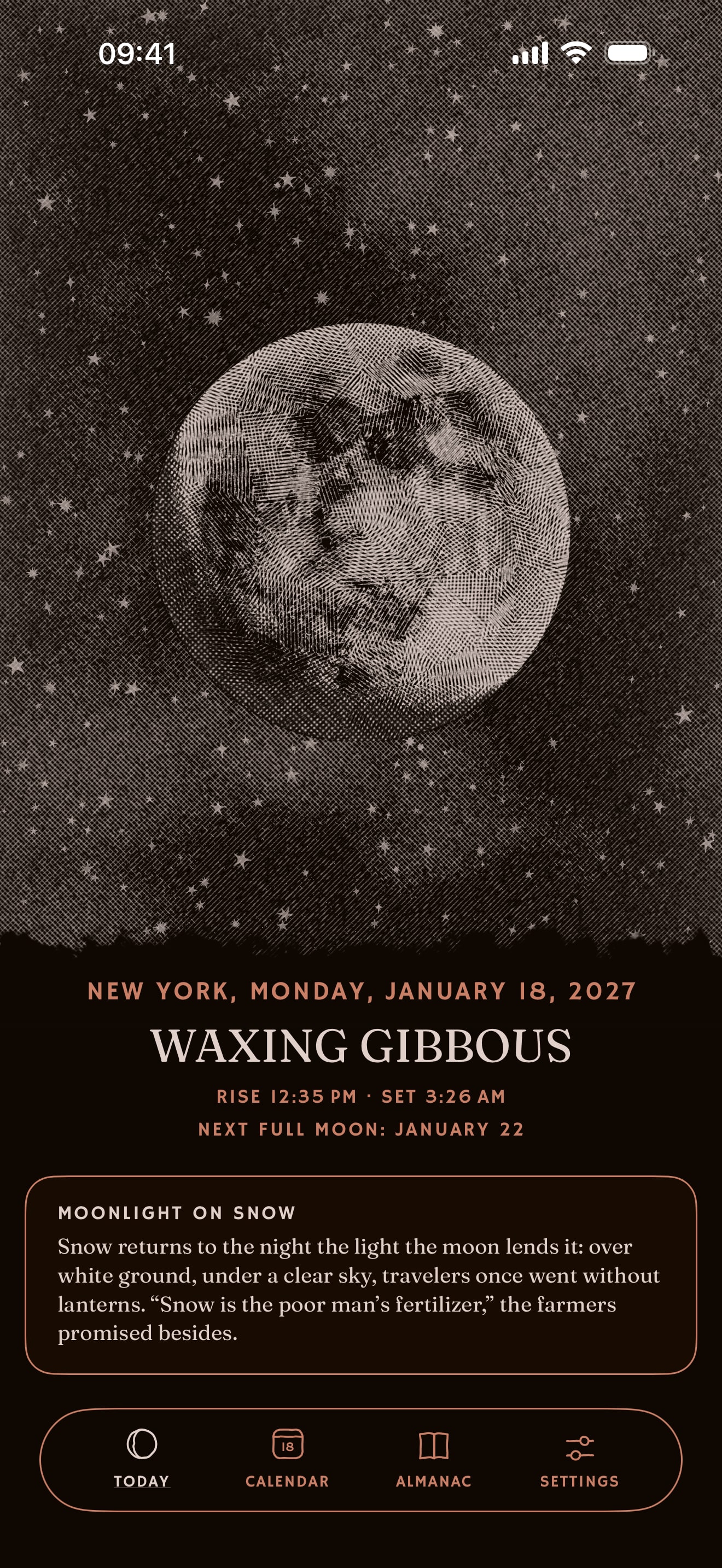
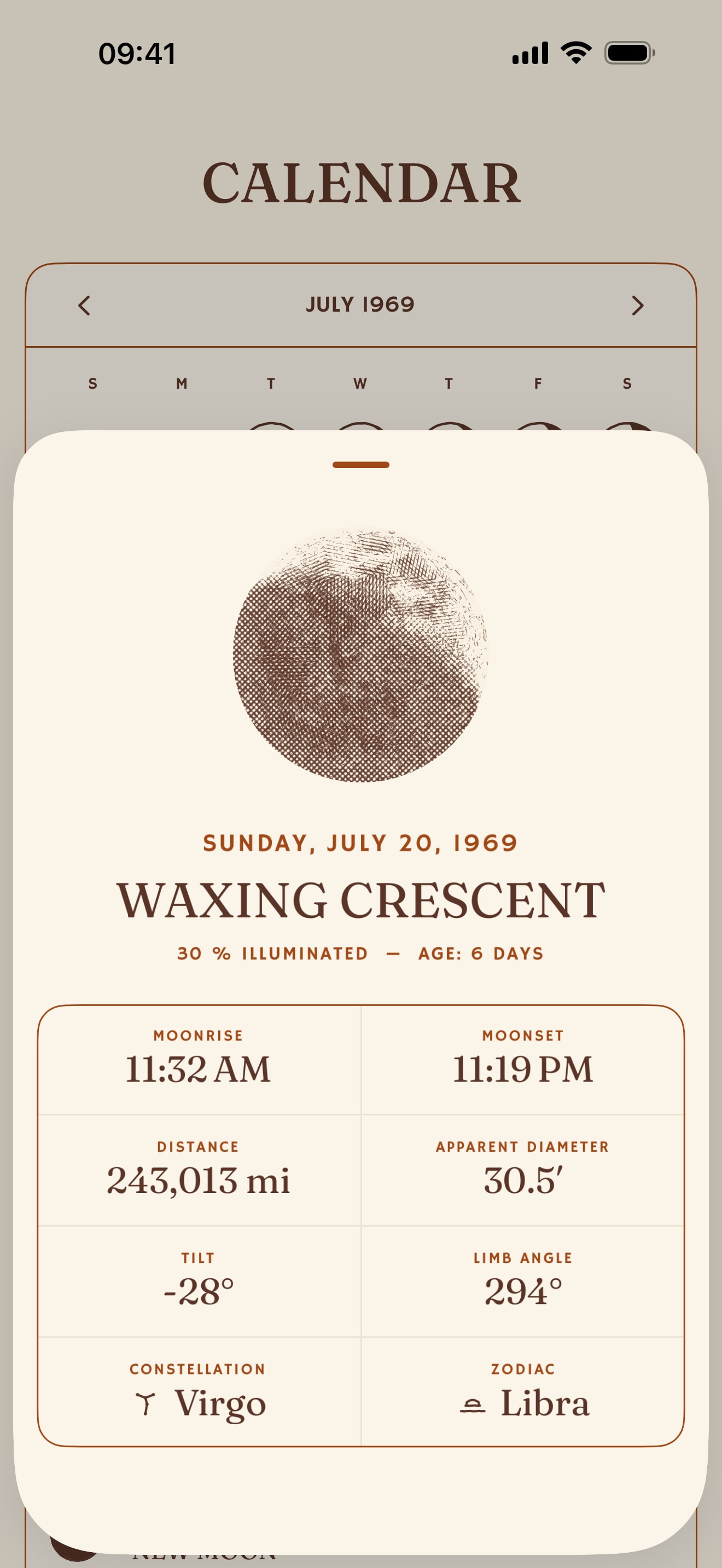
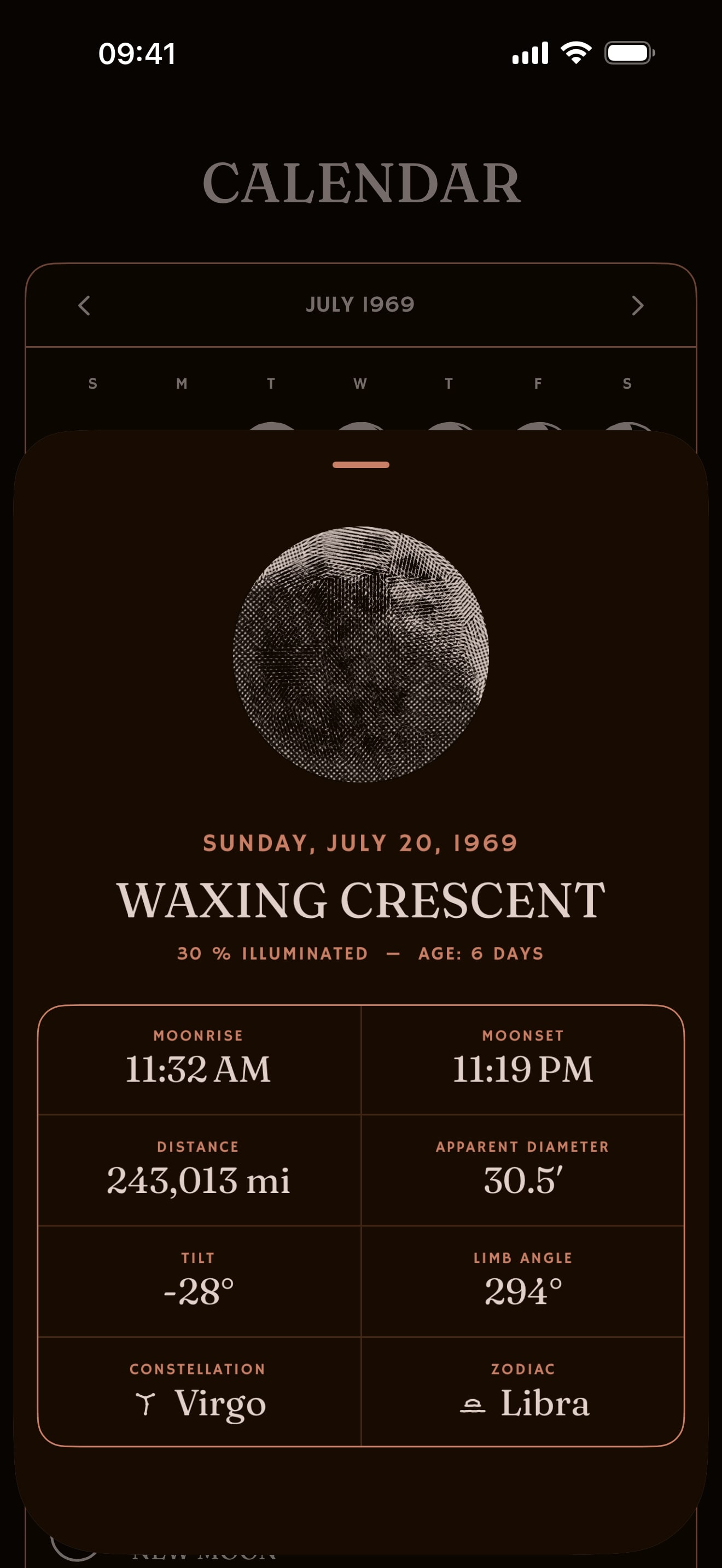
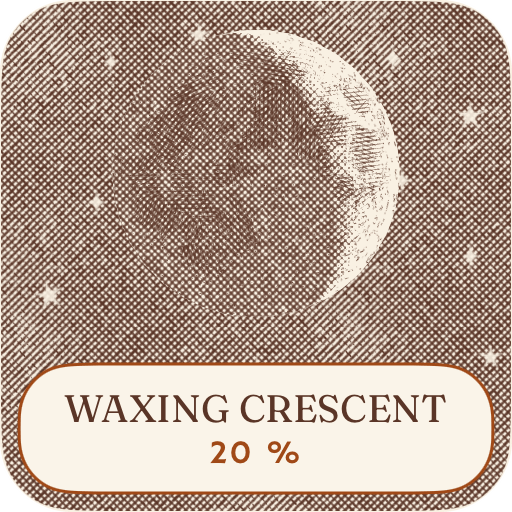
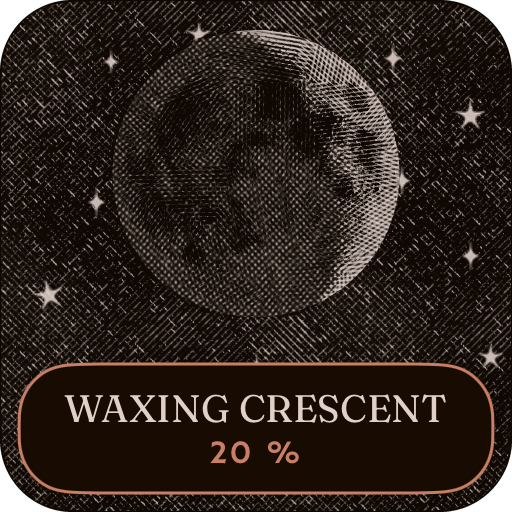
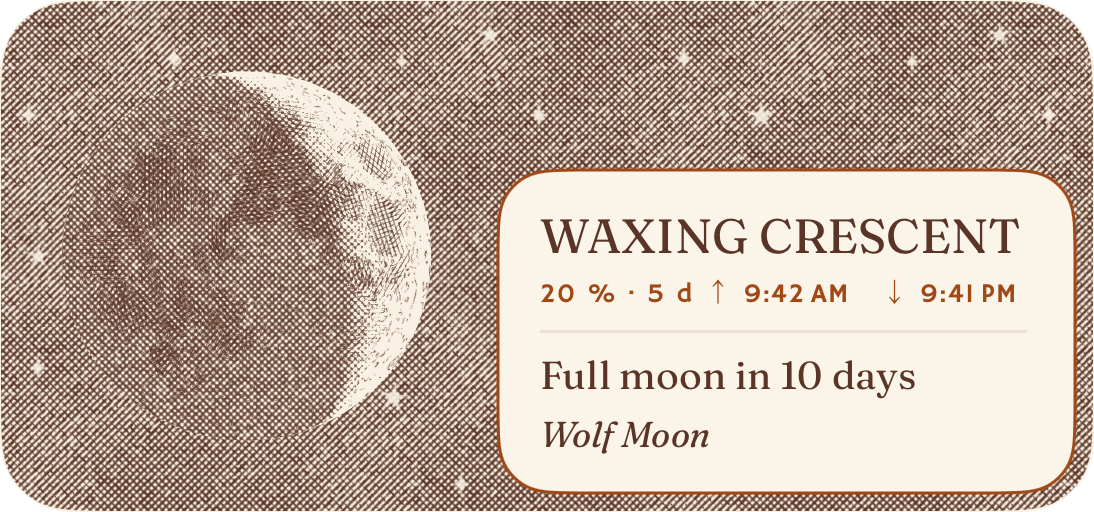
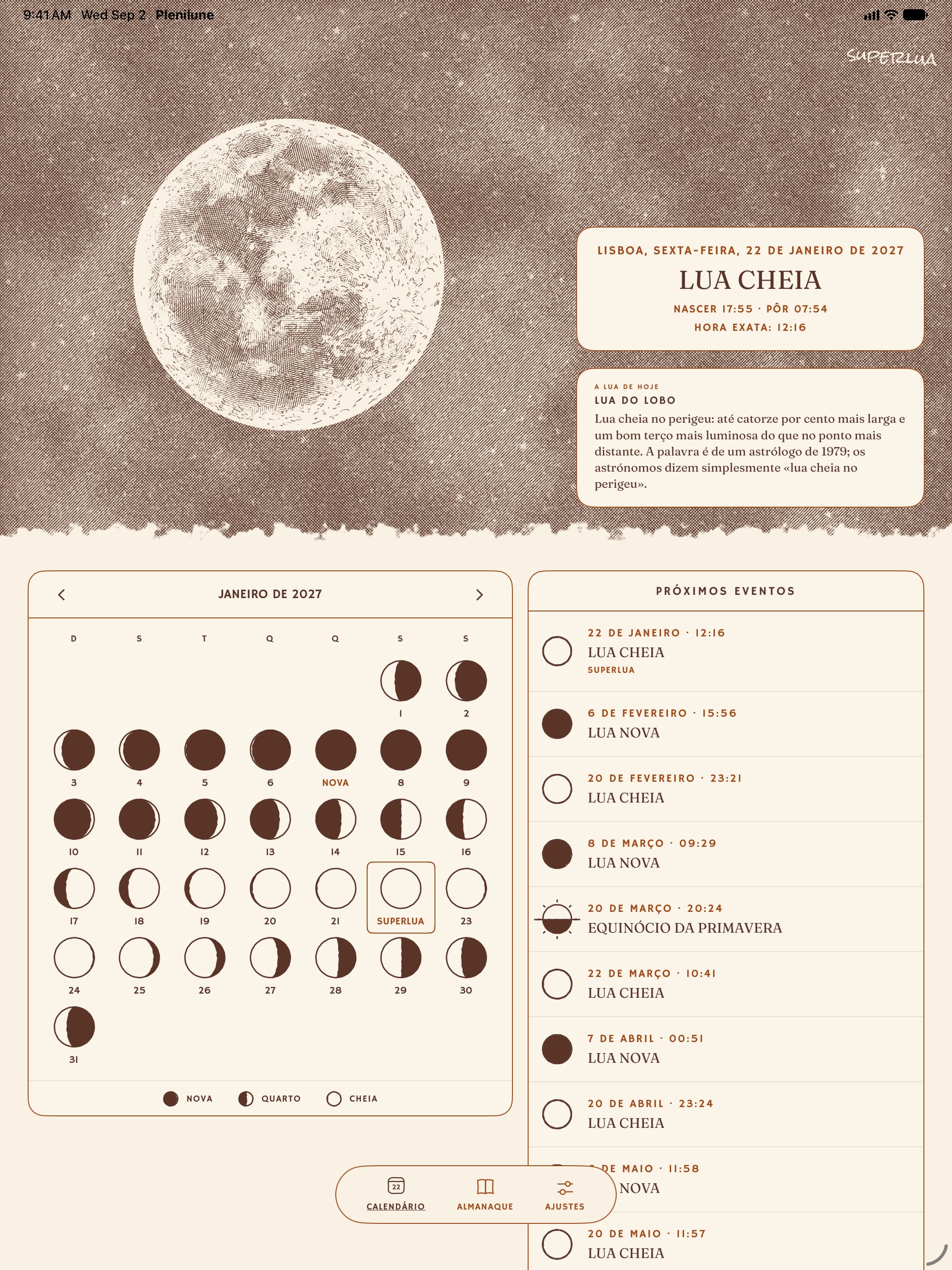
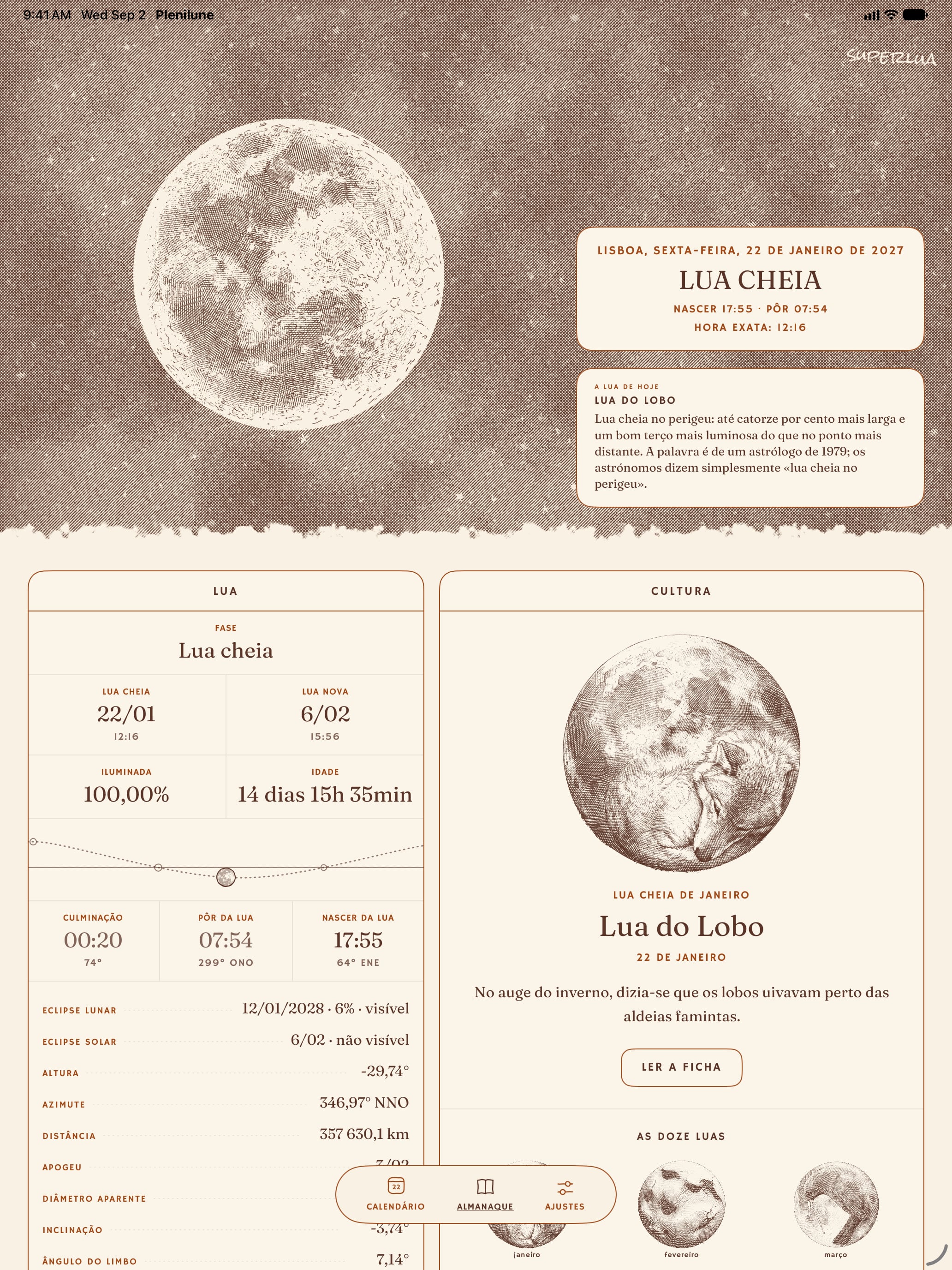
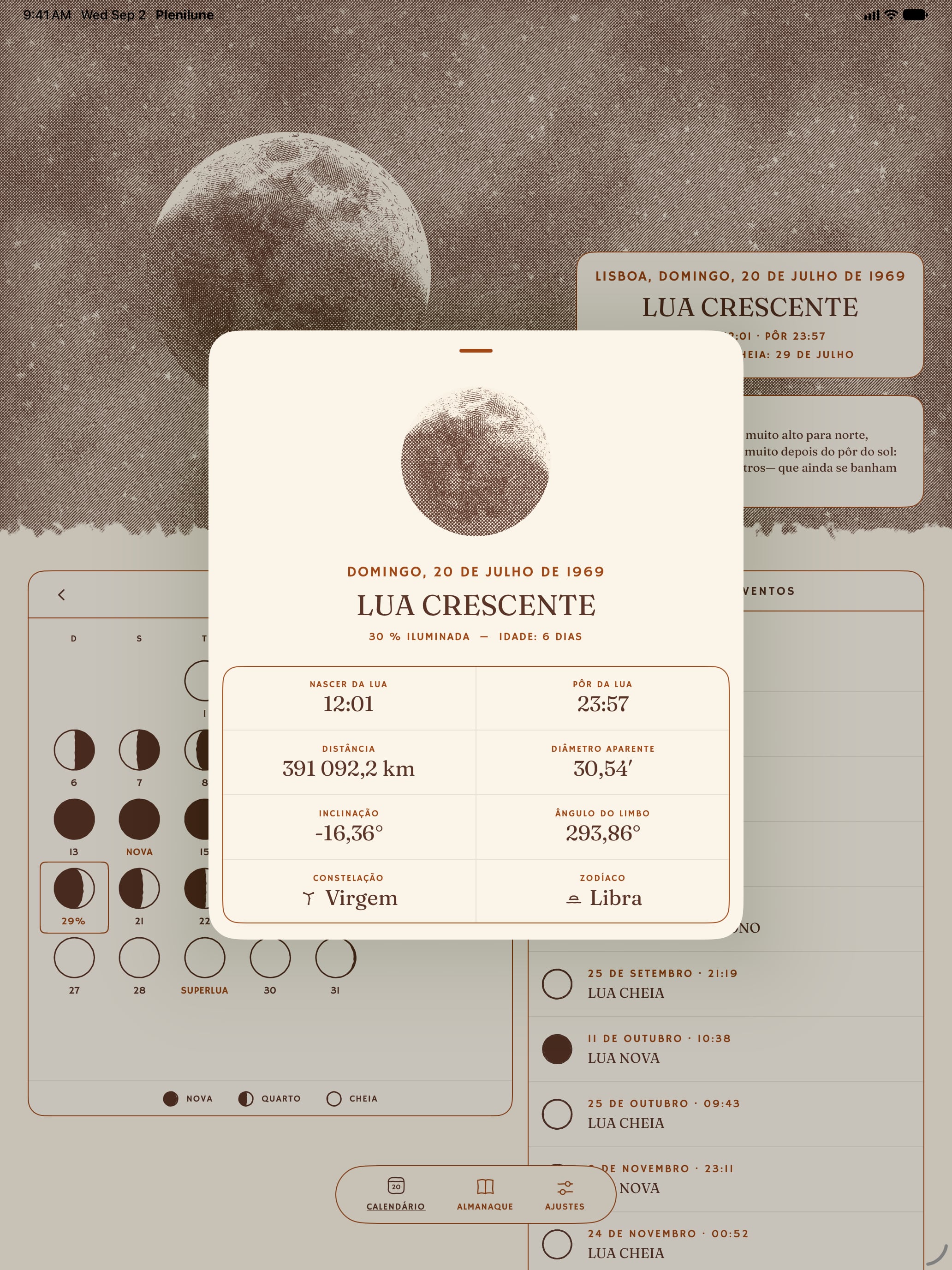
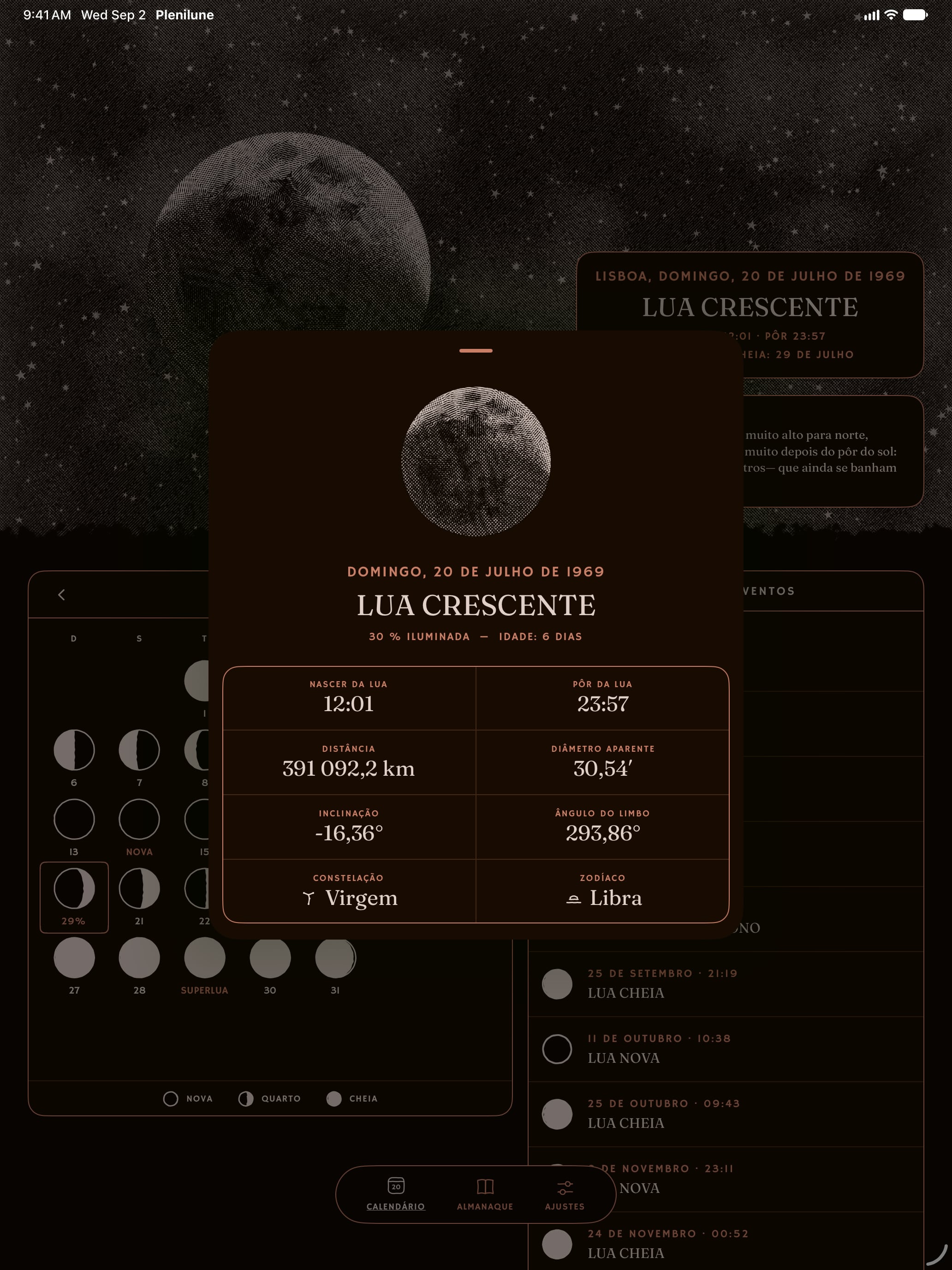
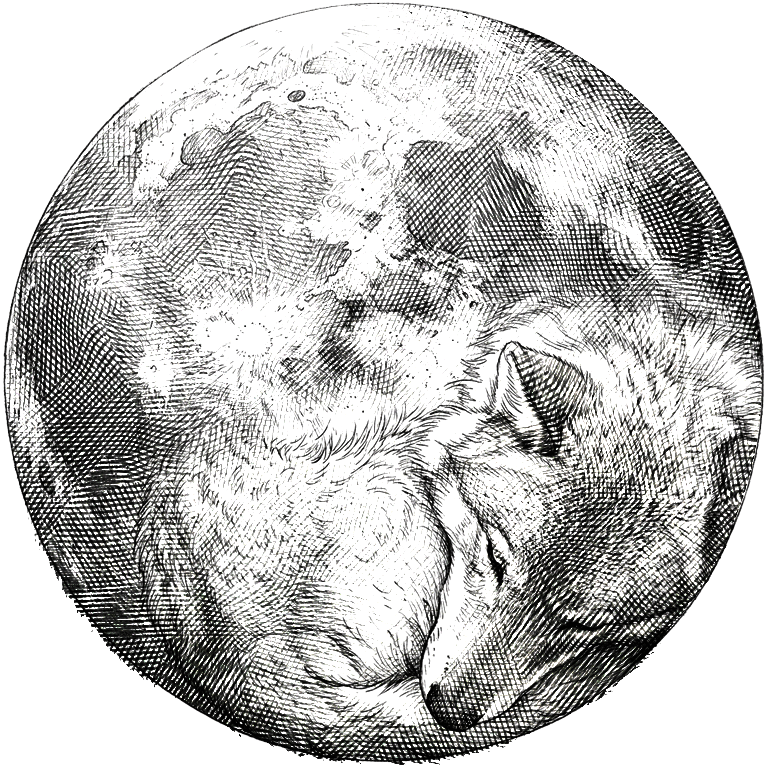
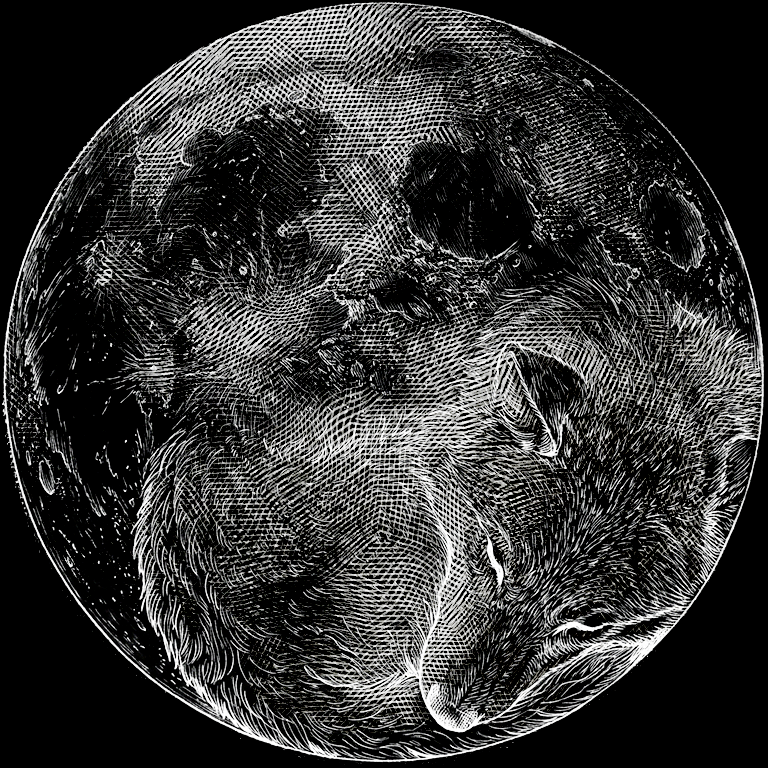
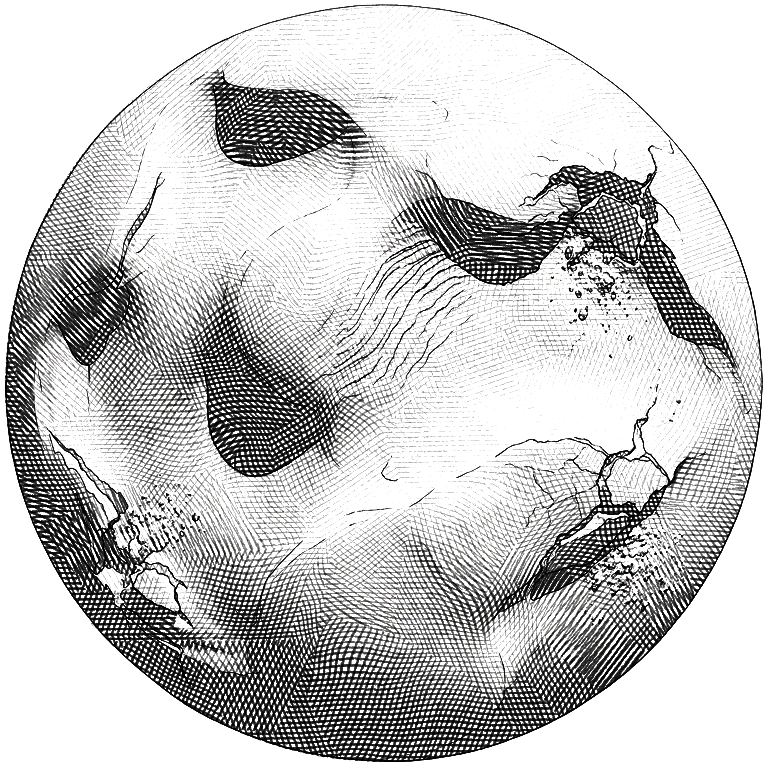
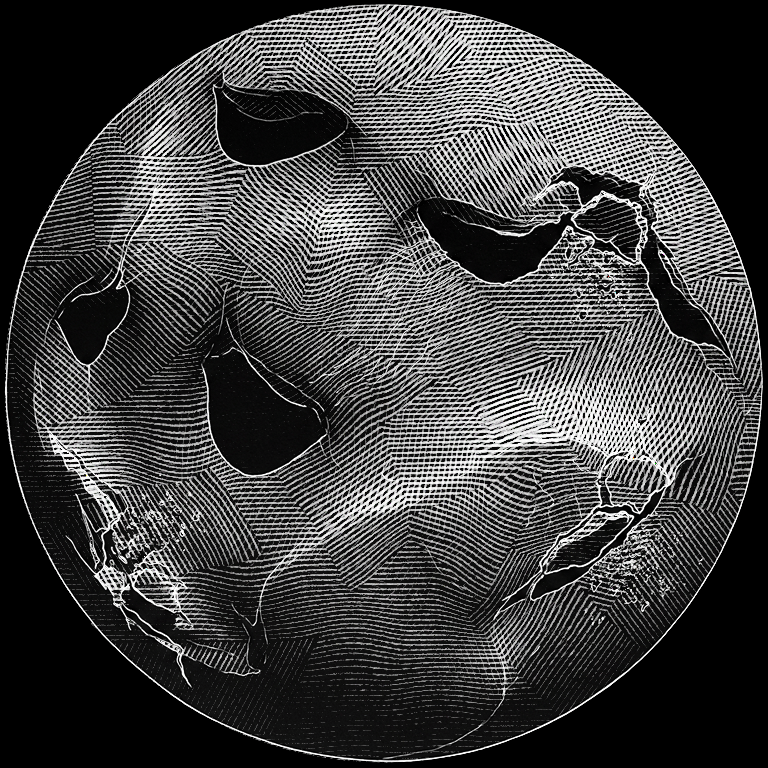
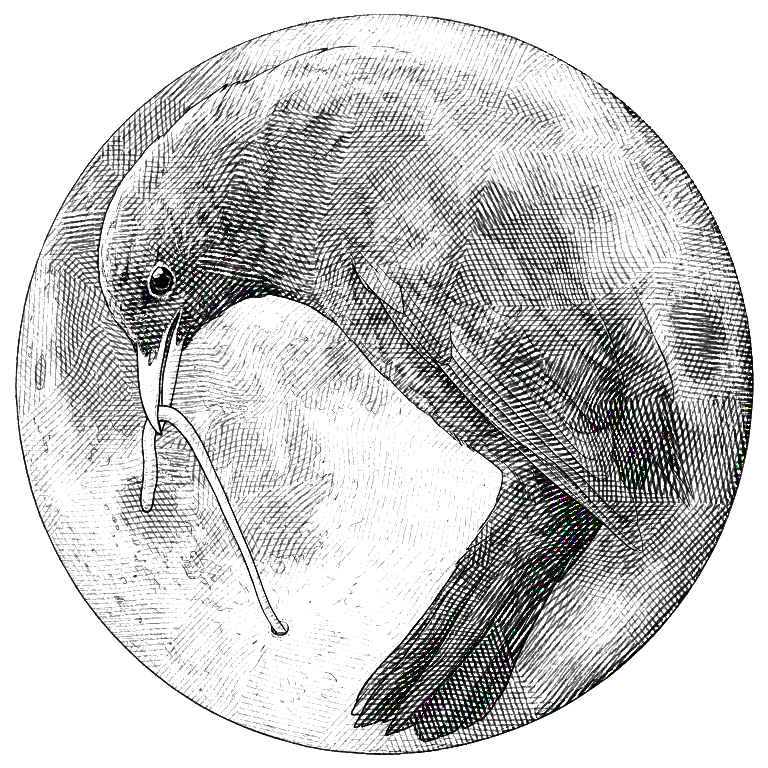
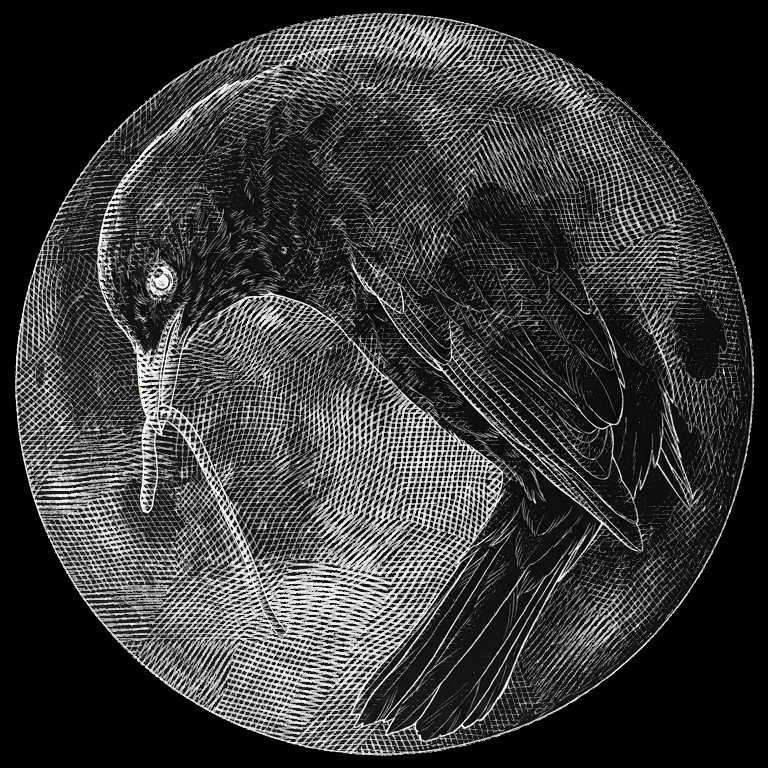
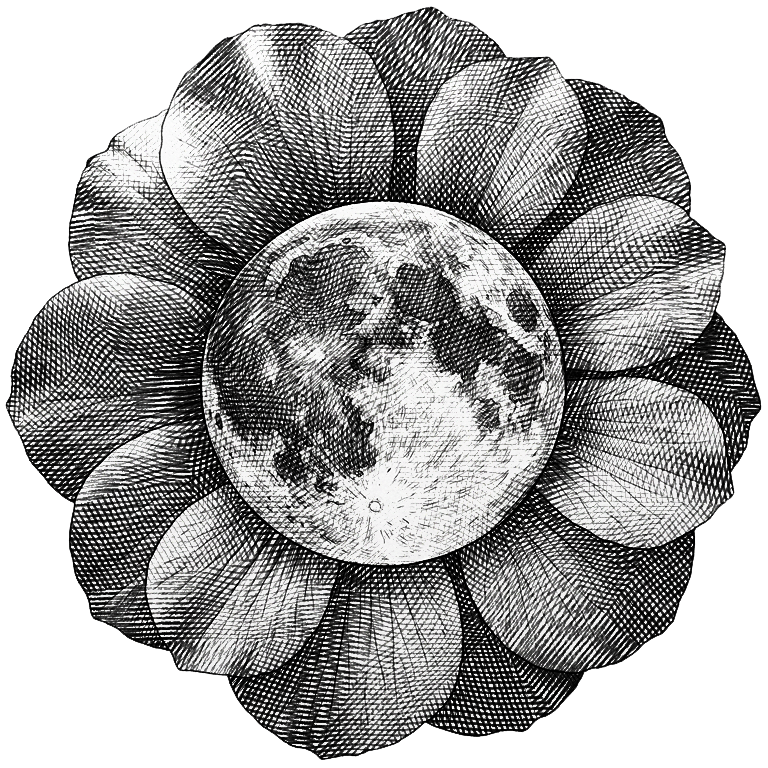
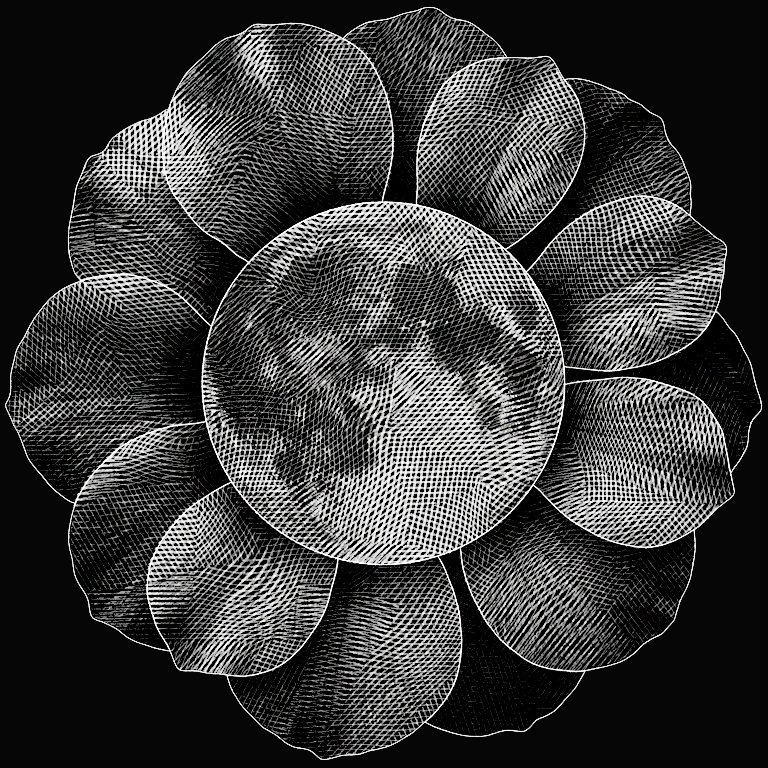
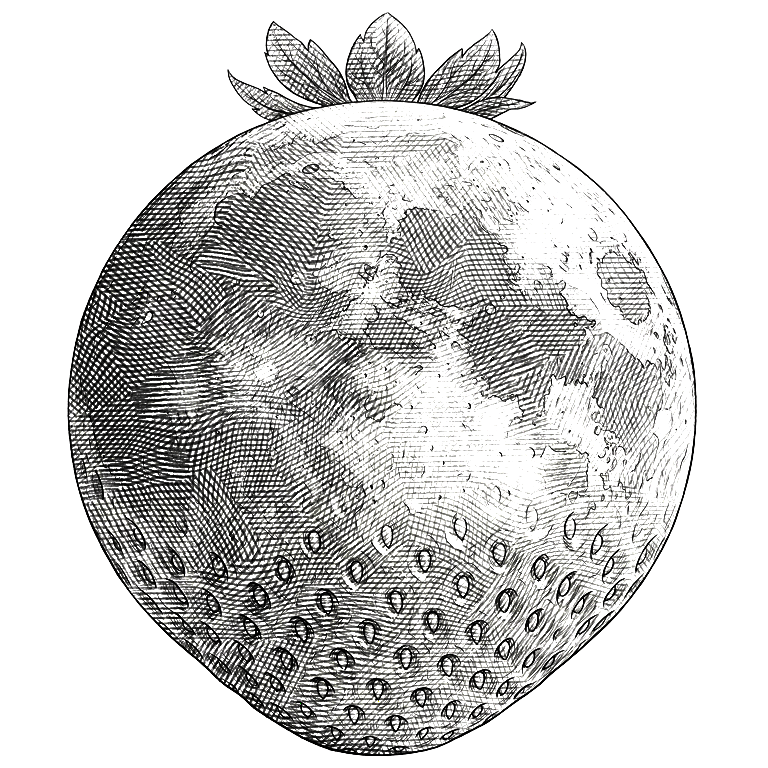
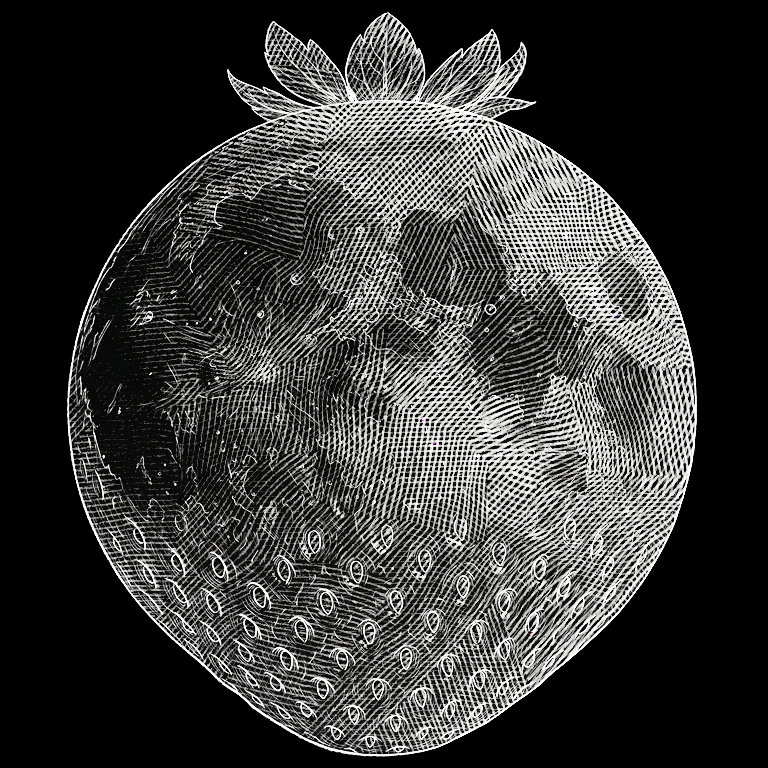
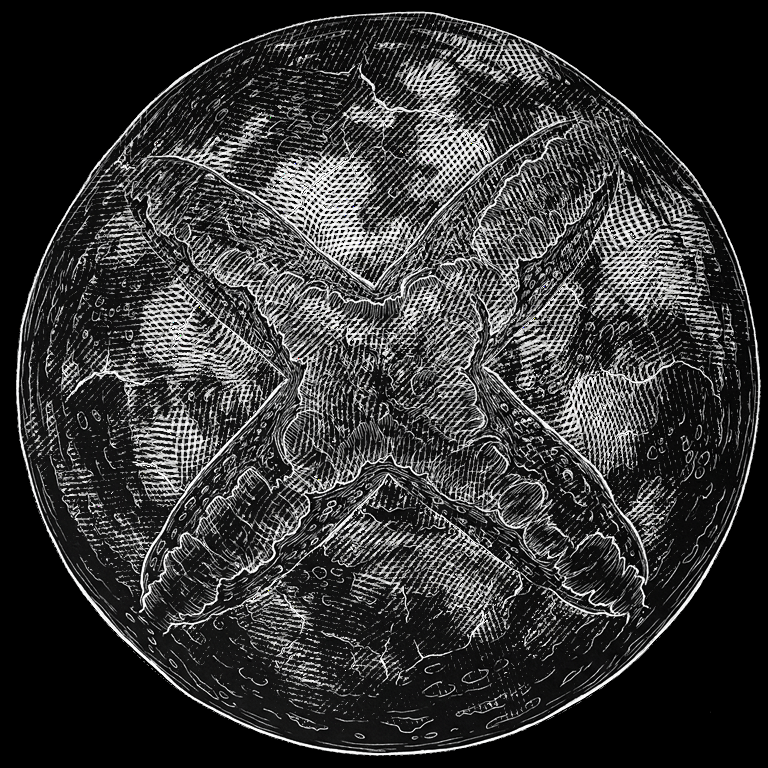
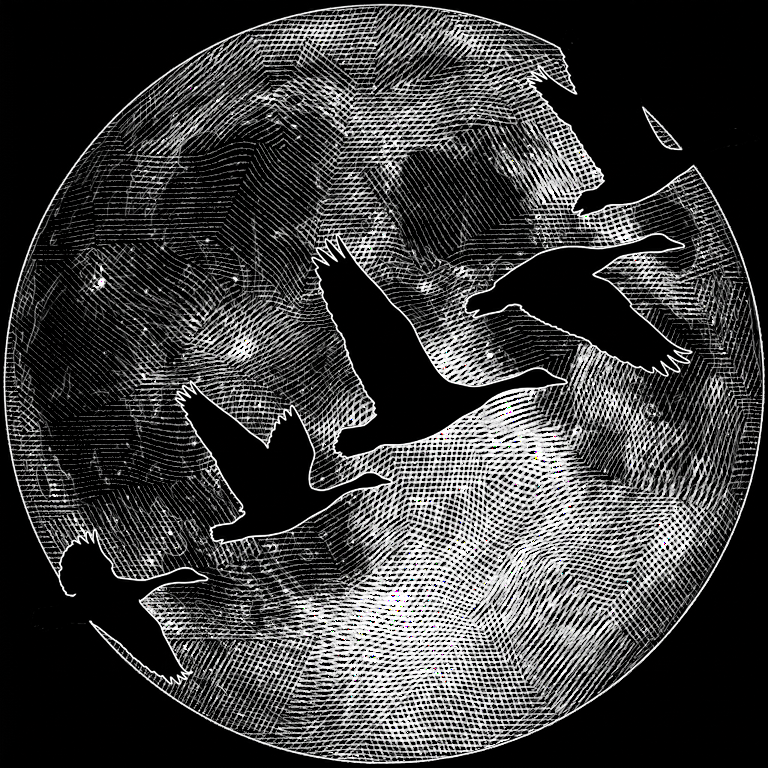
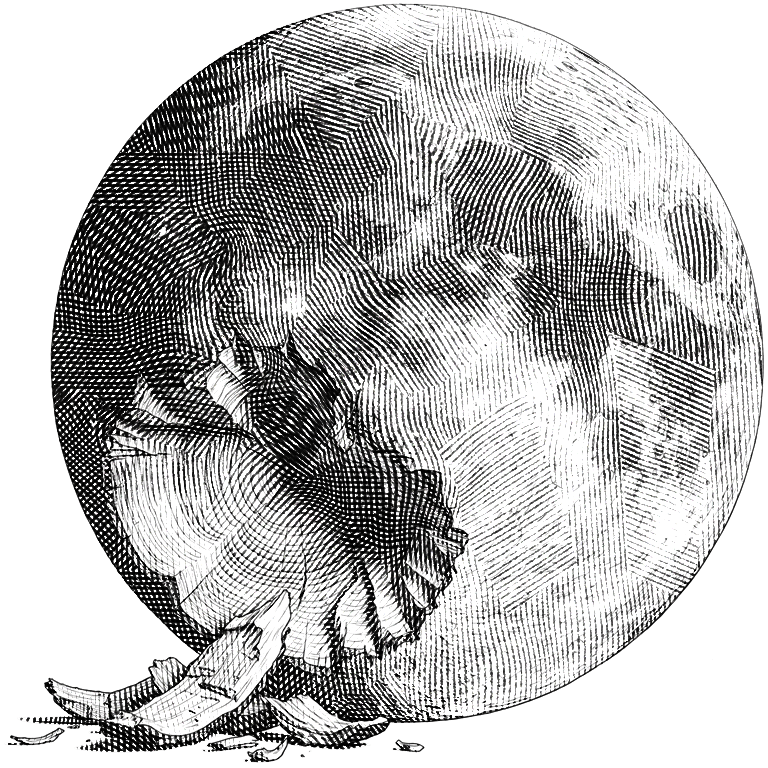
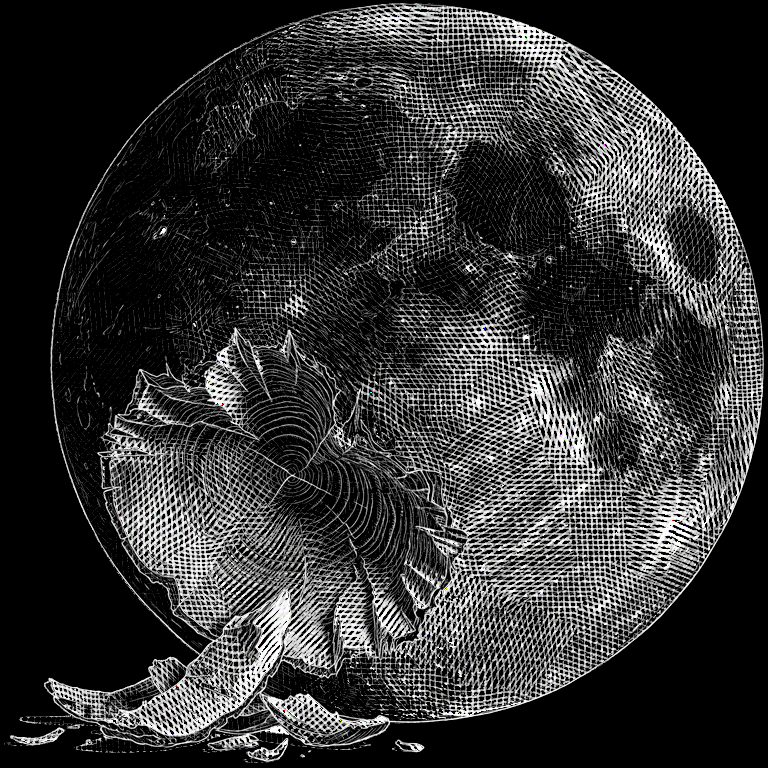
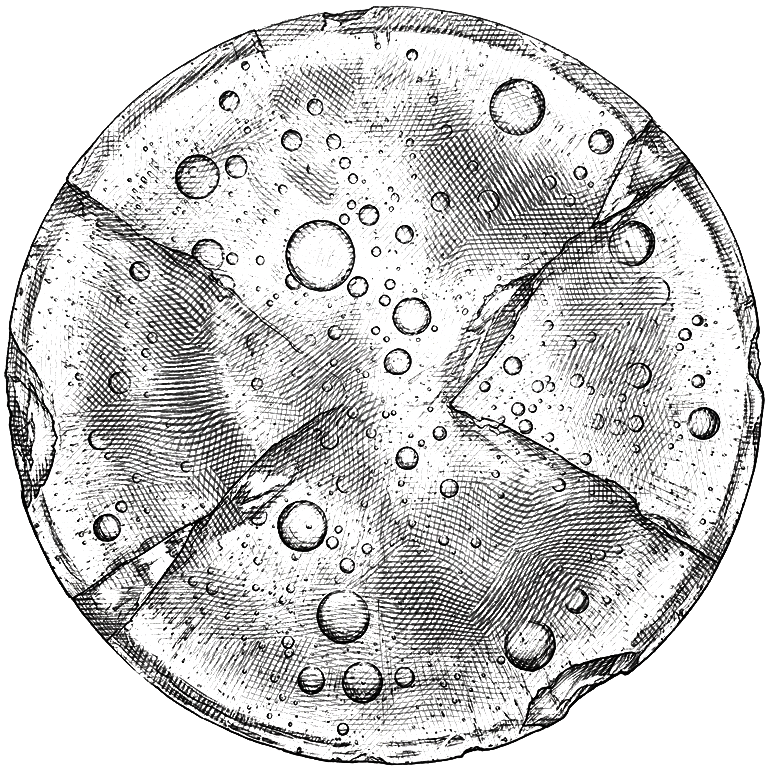
Share tonight's Moon as a Story, a Post or a four-second clip, straight from the daily note, a day sheet or an eclipse. The Moon is engraved as it is that night.
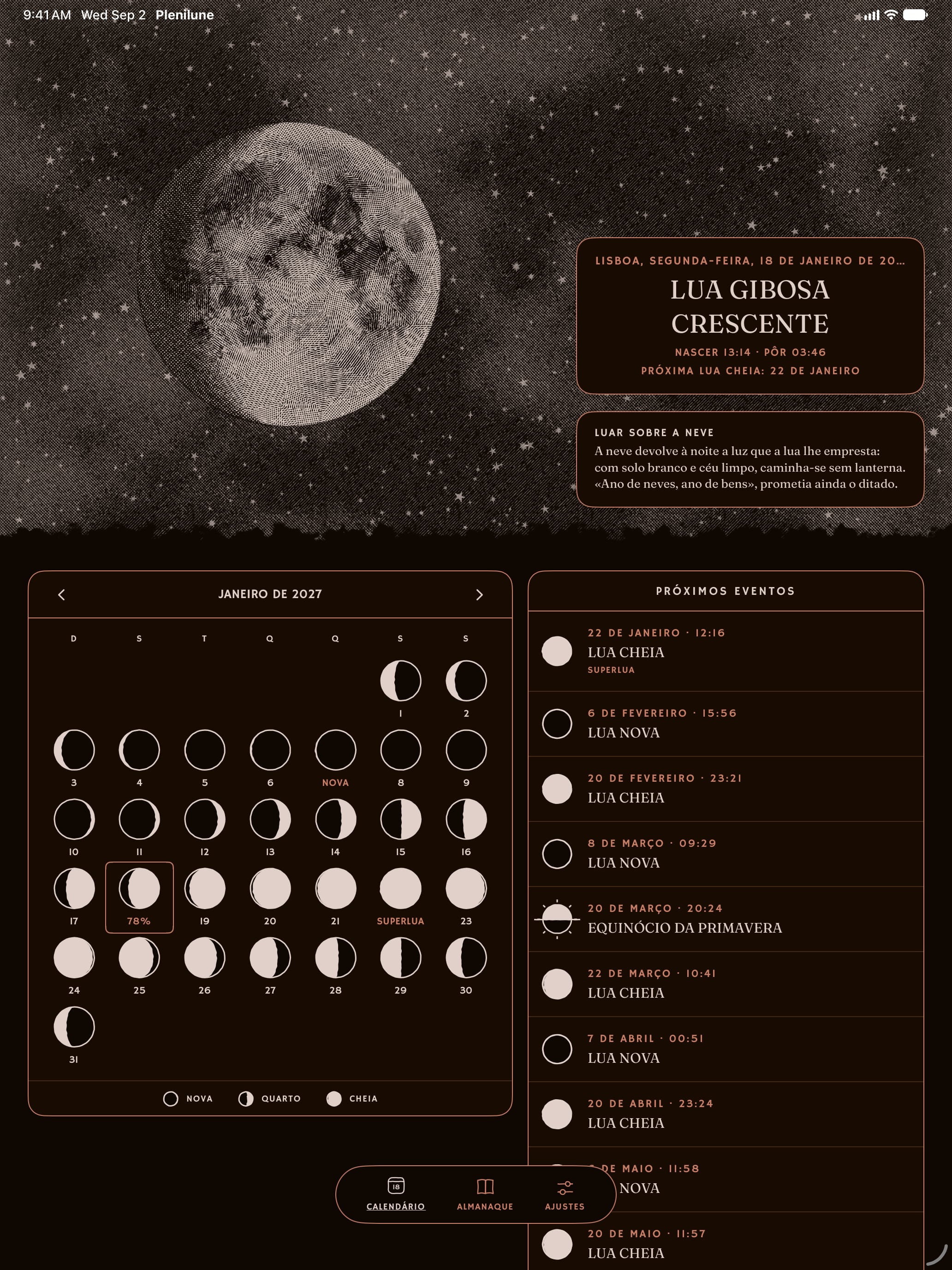
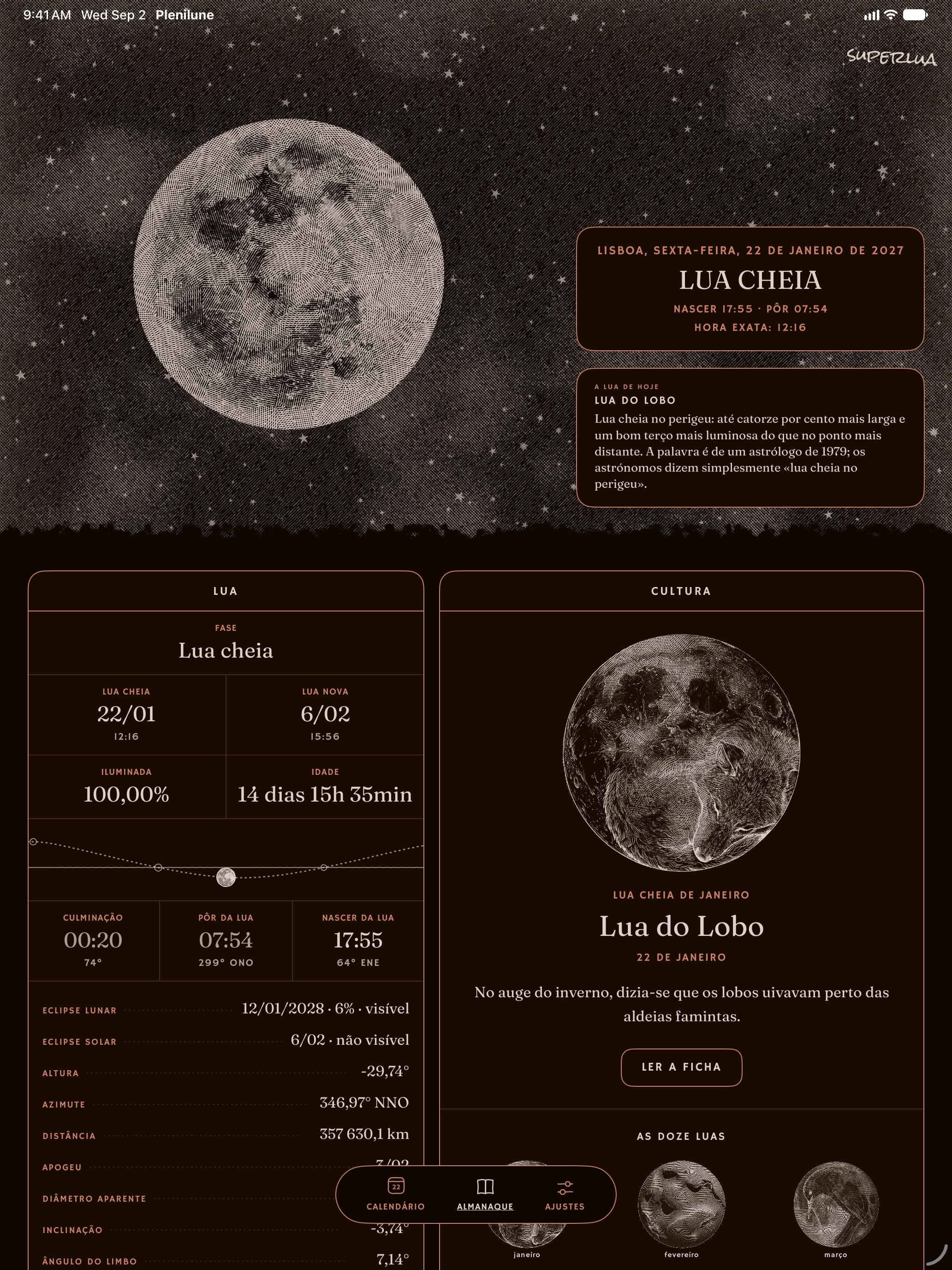
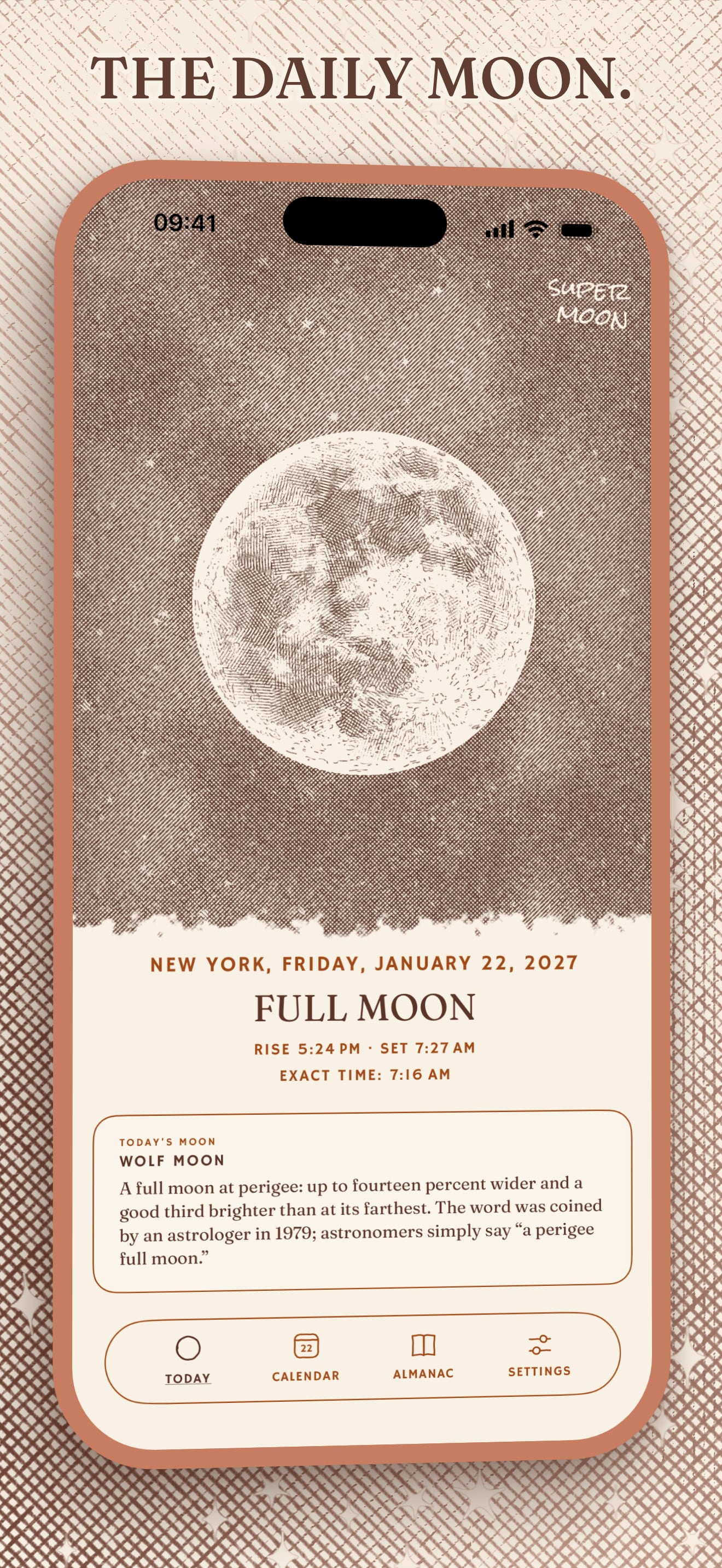
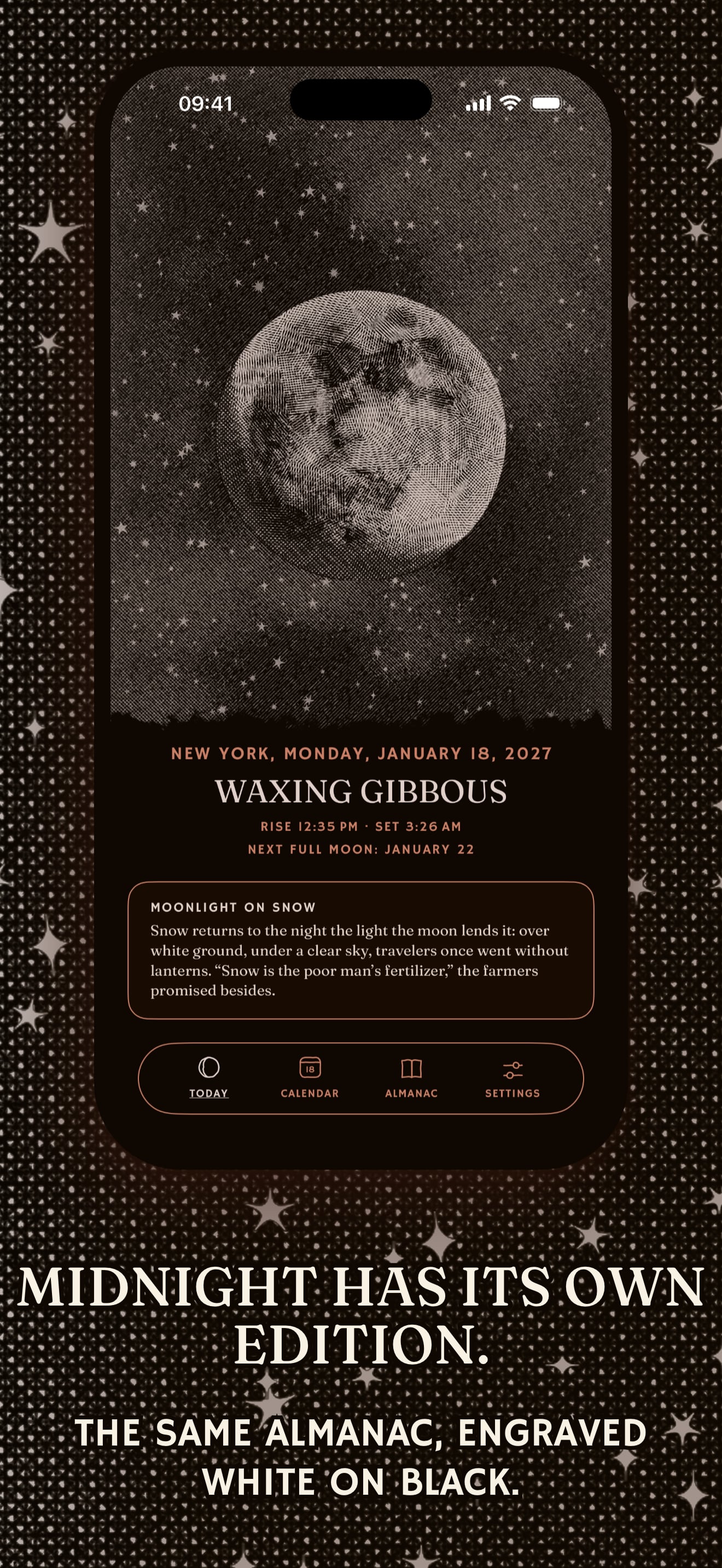
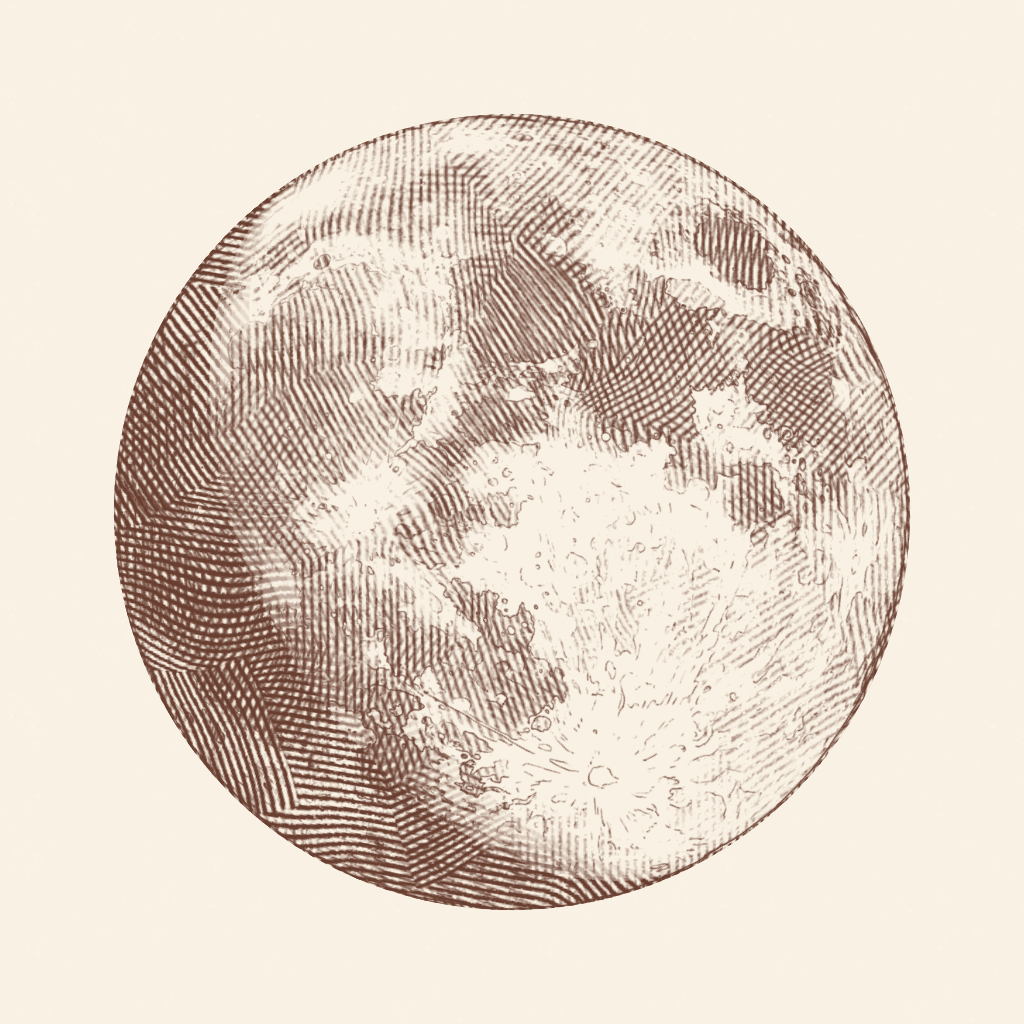
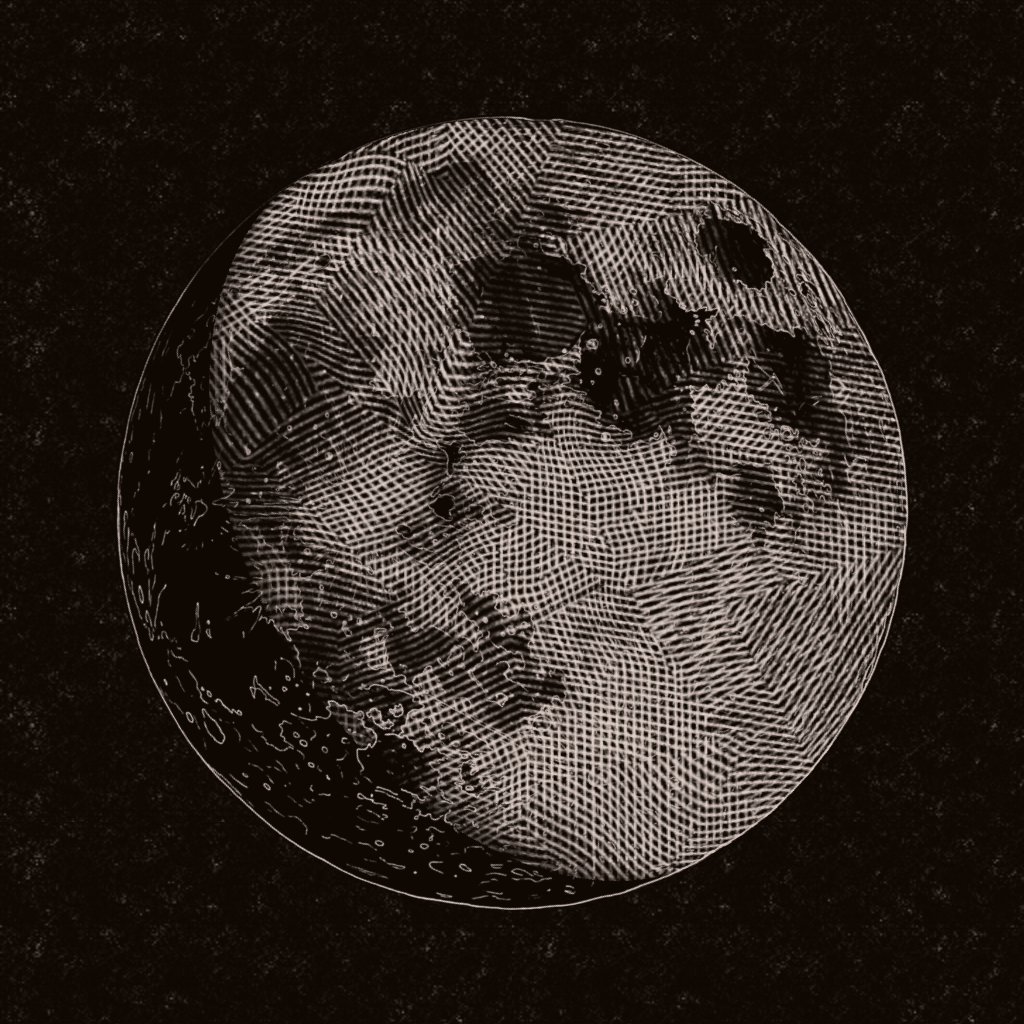
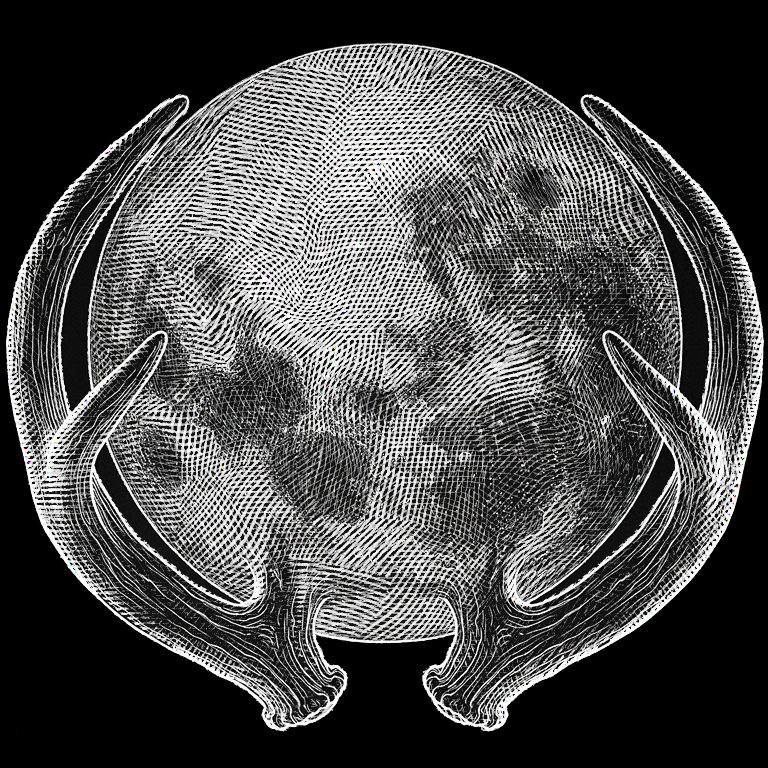
Plenilune shows the Moon as it is tonight: its phase is computed from its real position, then drawn like an engraving. I built it end to end with one idea: bringing together, in a single app, the precision of astronomy and the beauty of engravings.
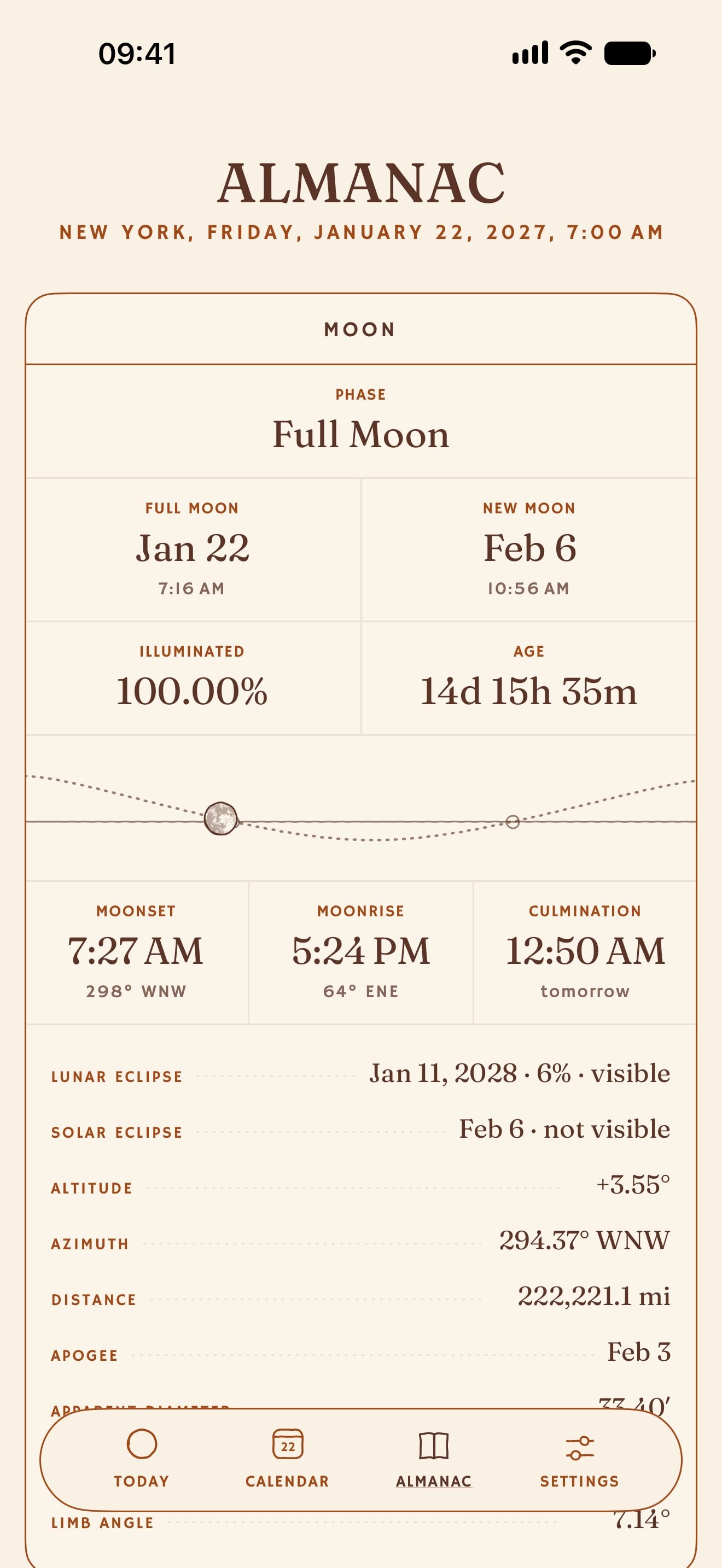
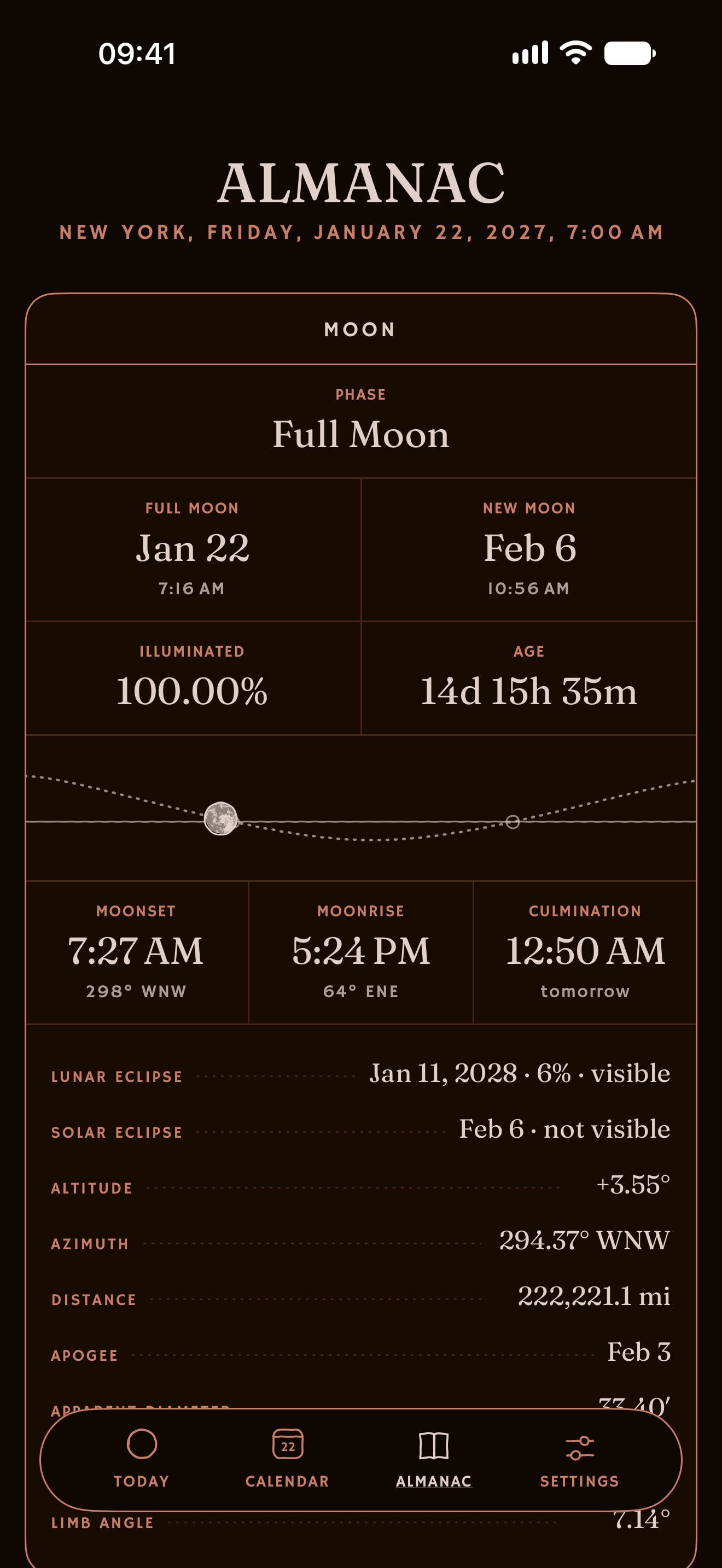
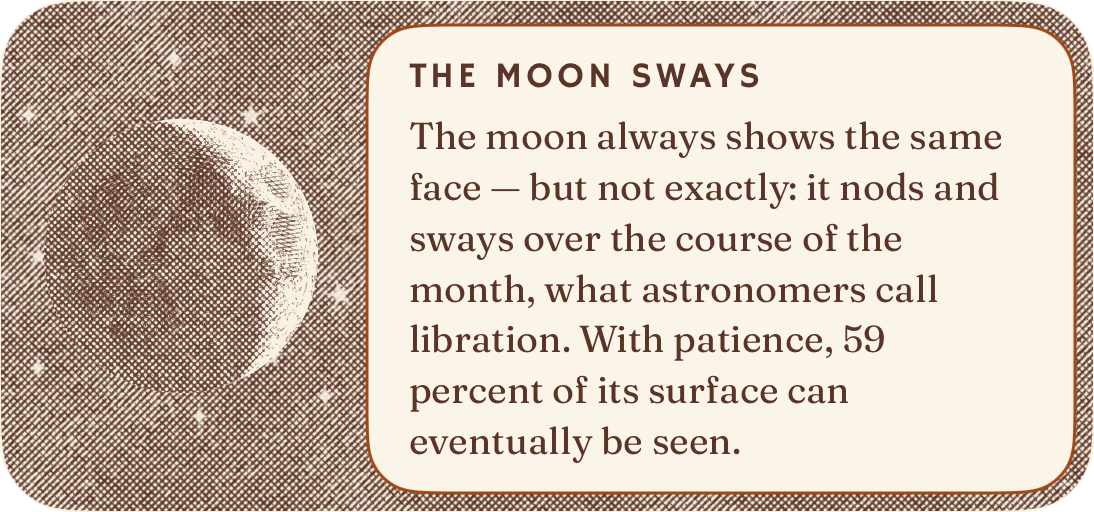
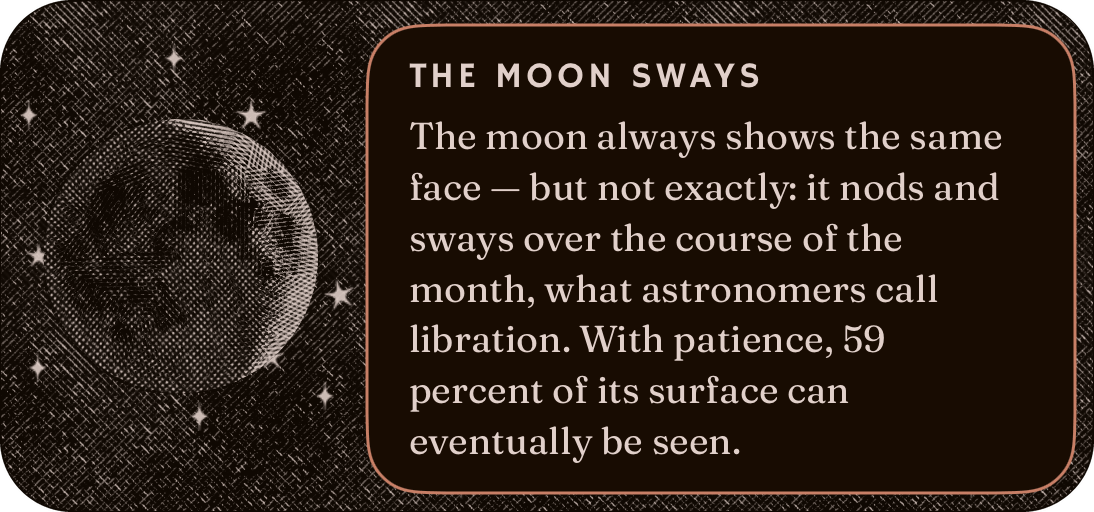
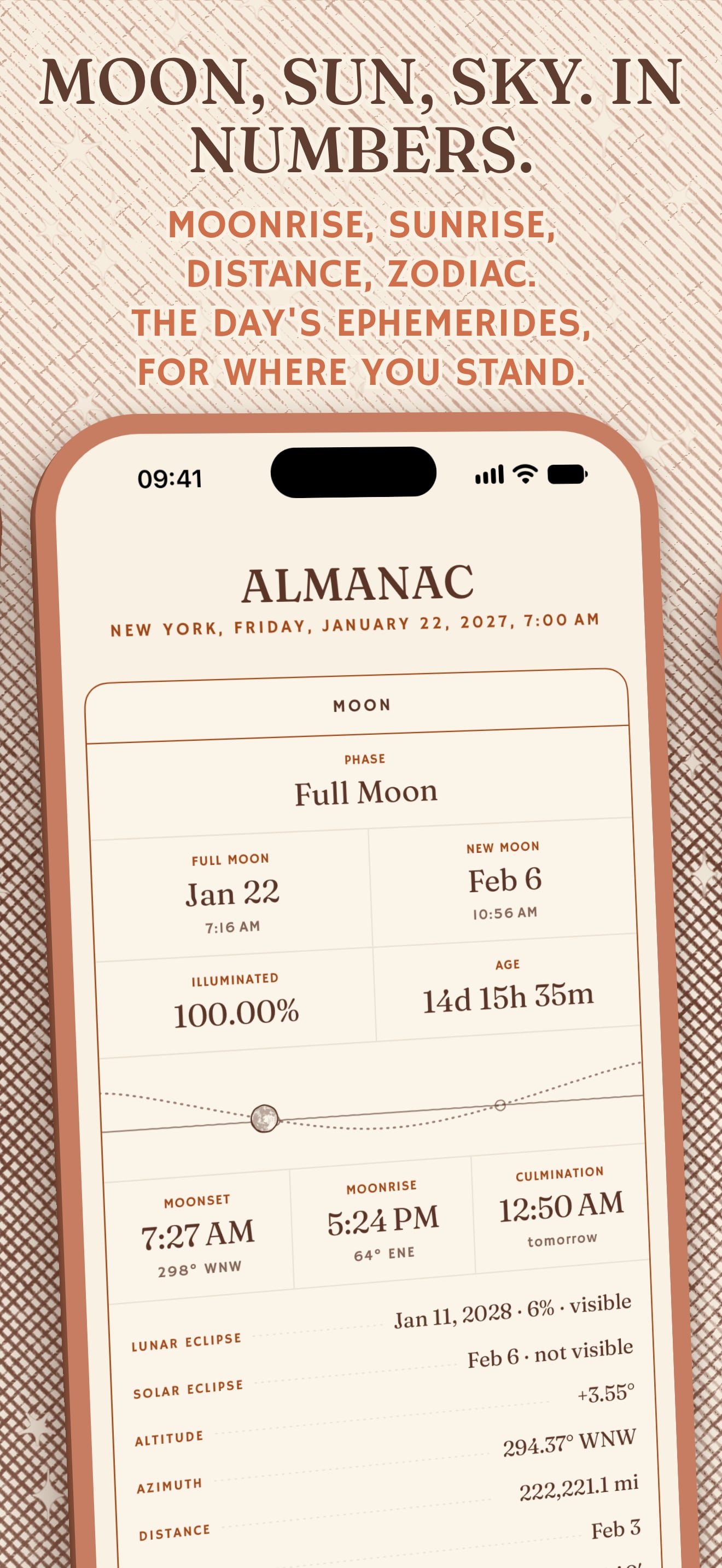
Moonrise and moonset times are computed for the place where you are, and so is the visibility of eclipses. And every morning, a moon story: a saying, a belief, a fact of astronomy.
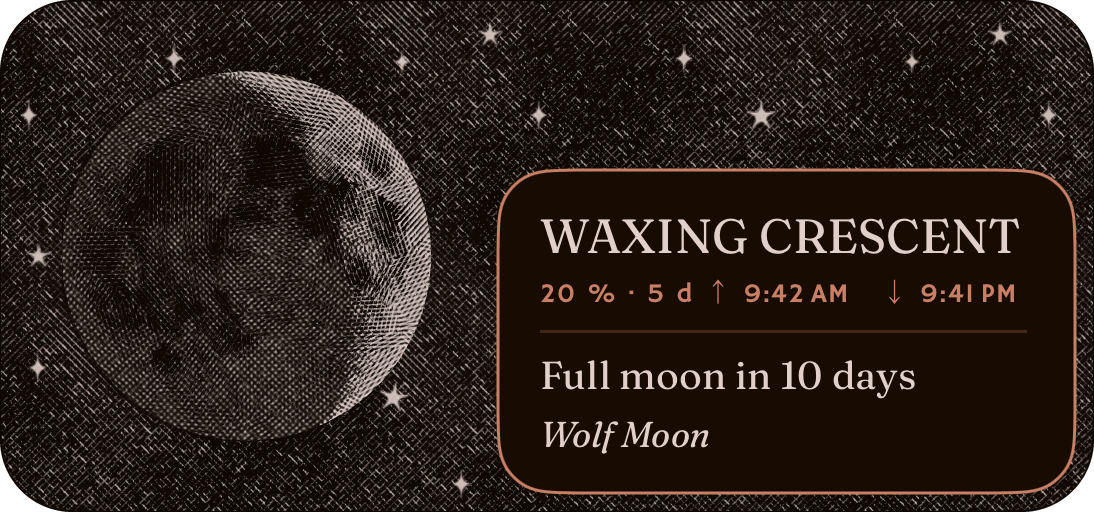
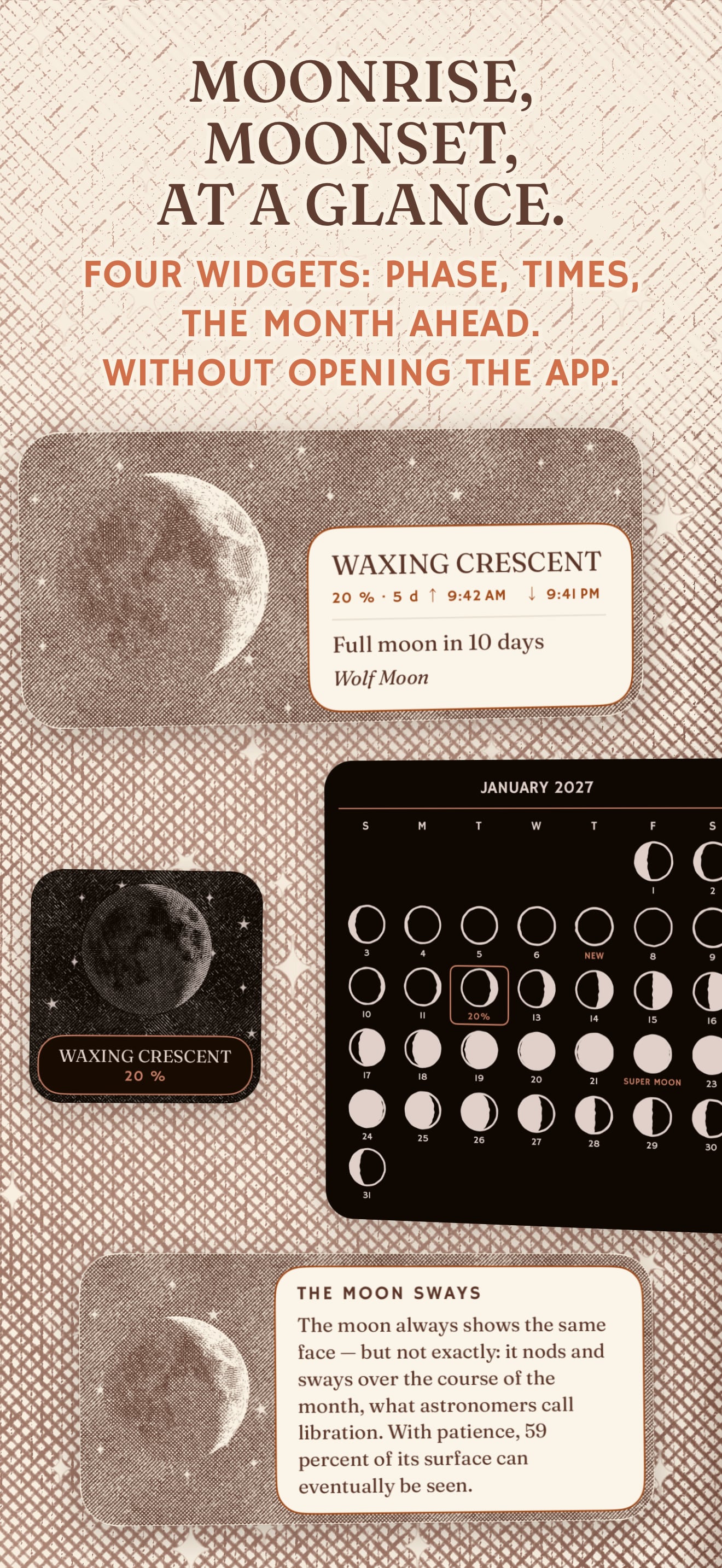
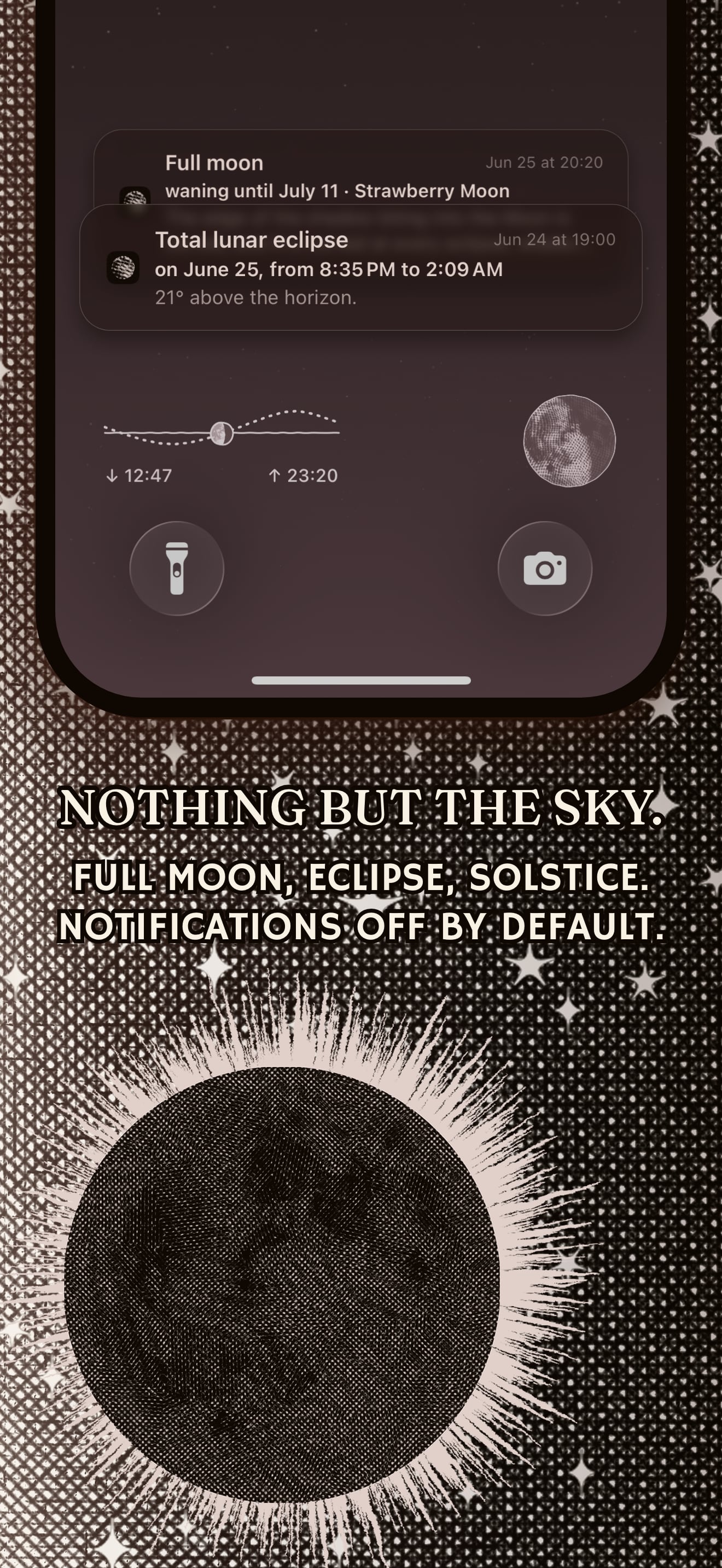
Day to day, Plenilune lives on both the Home Screen and the Lock Screen through its widgets. It can alert you when a full or new moon approaches. Any page can be shared as an image or a short clip, with the Moon drawn as it really is that night.
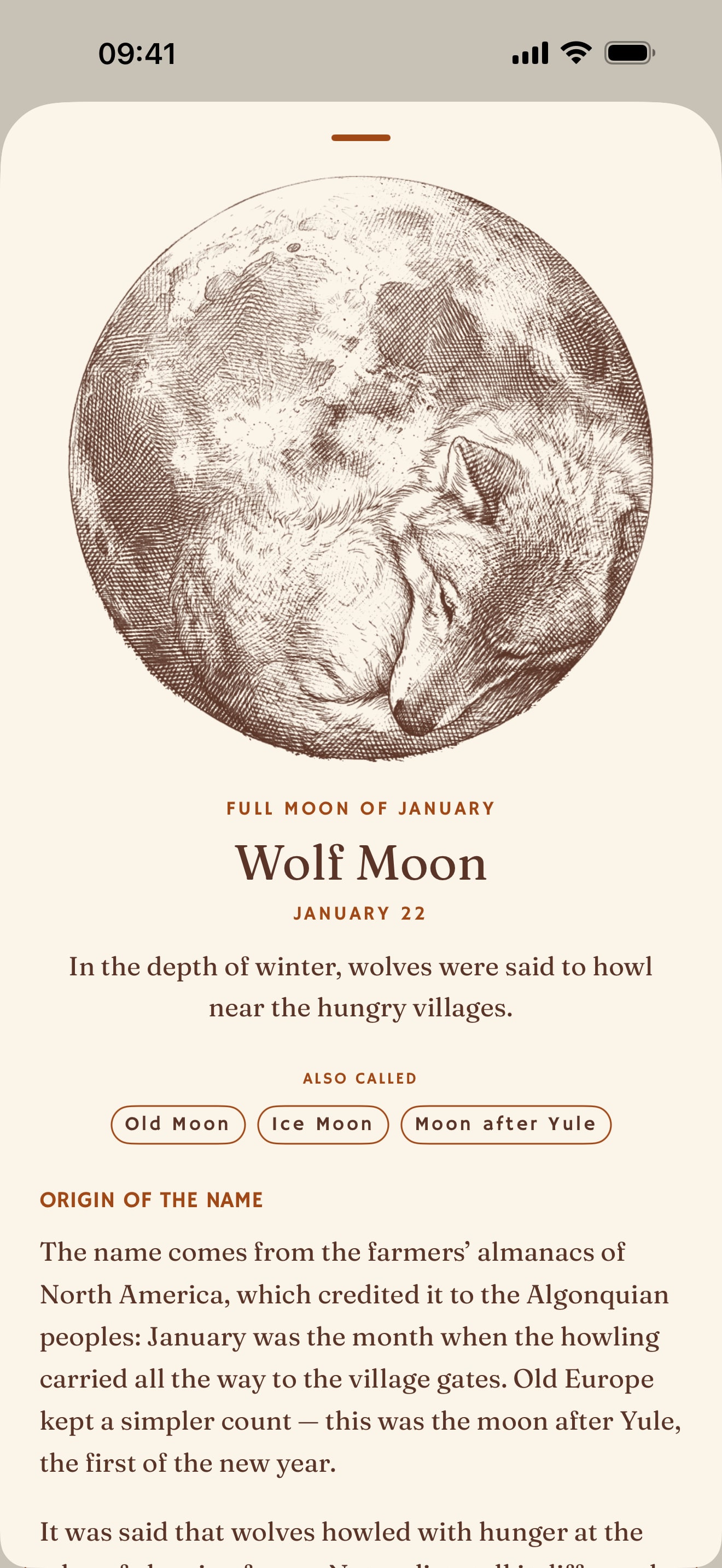
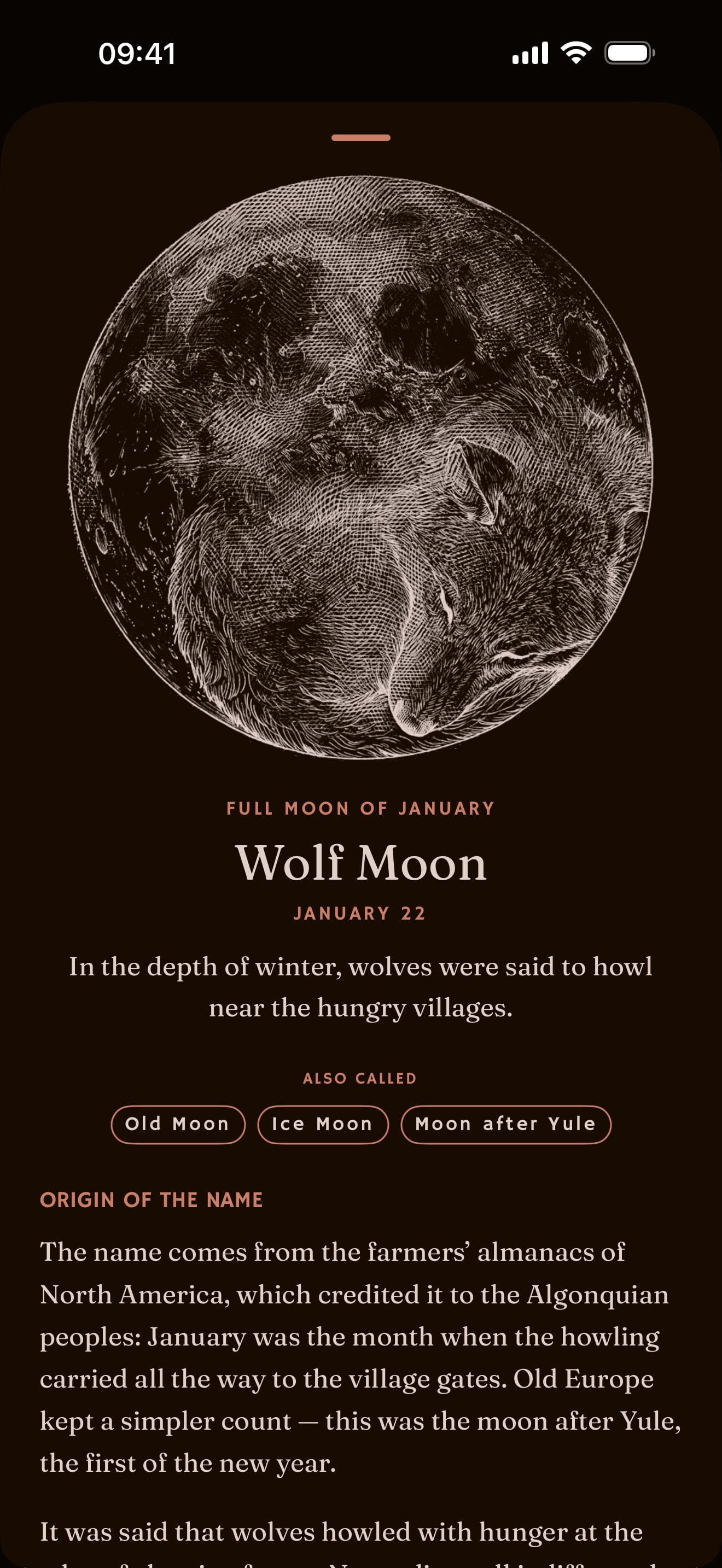
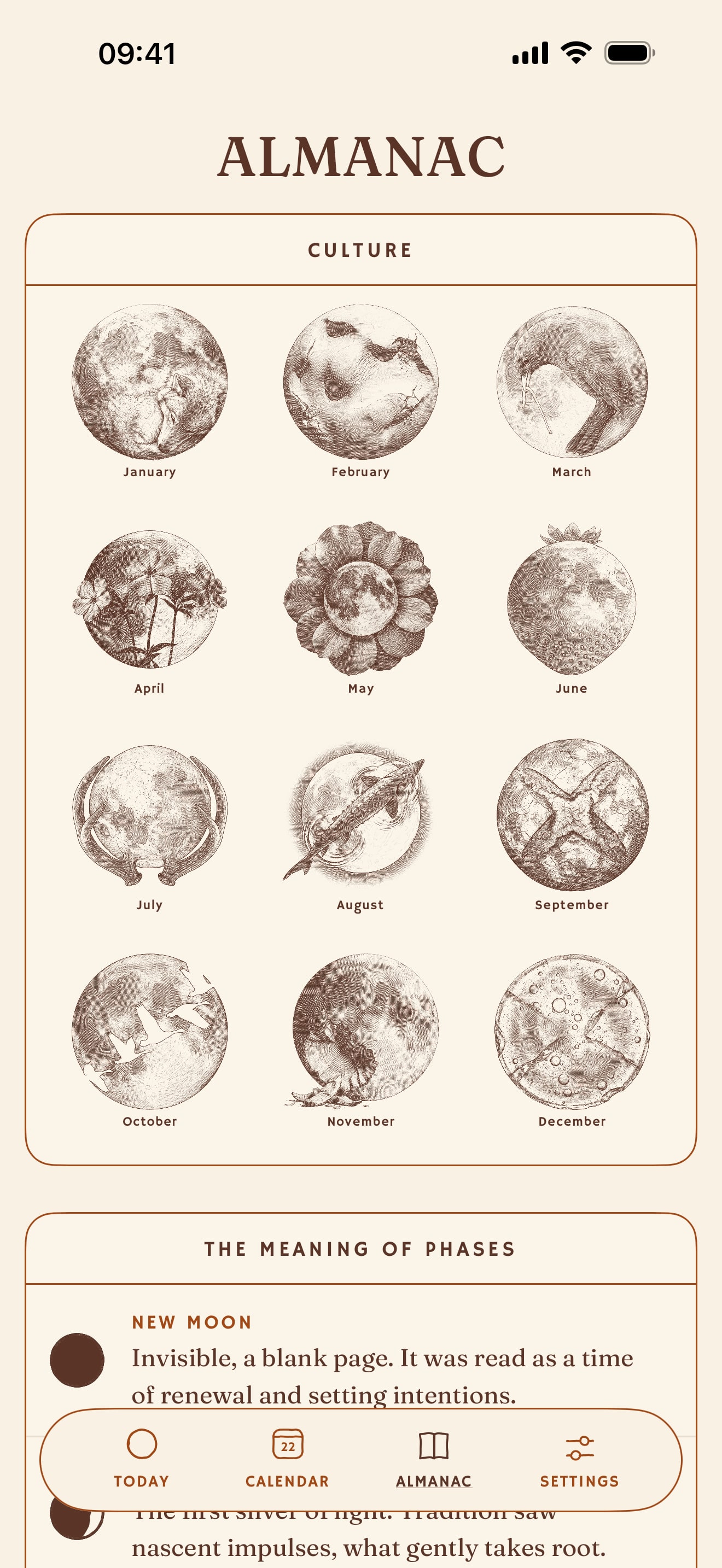
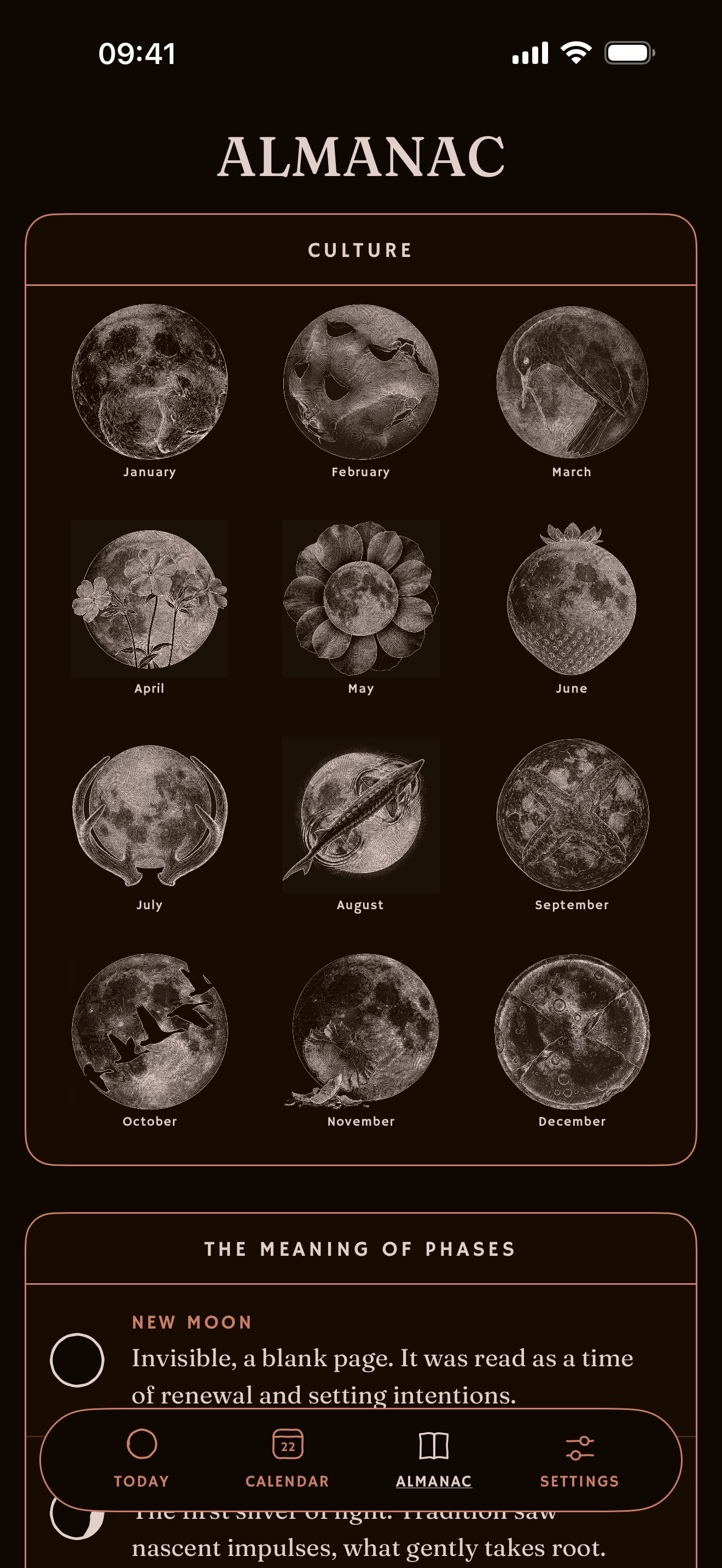
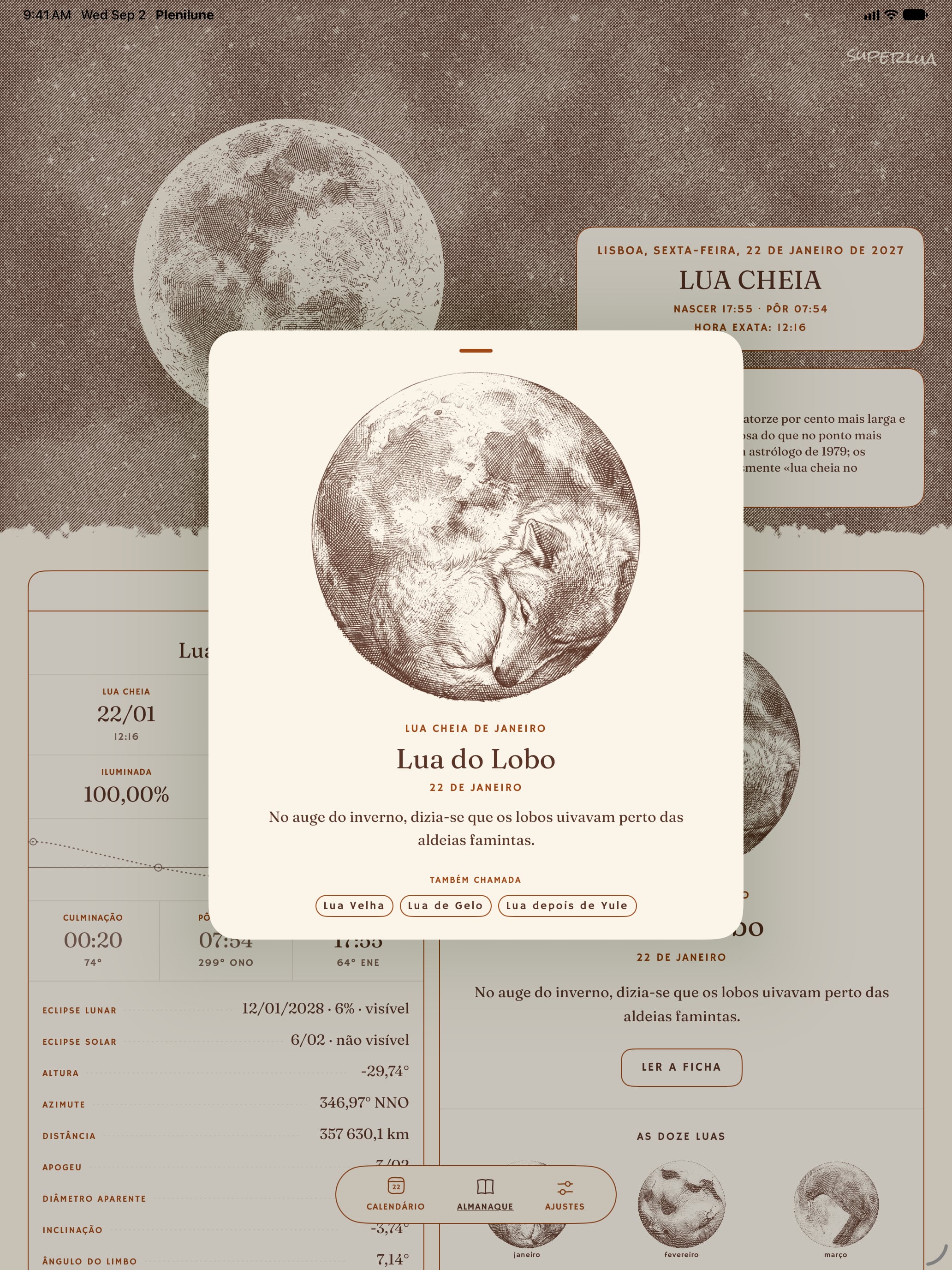
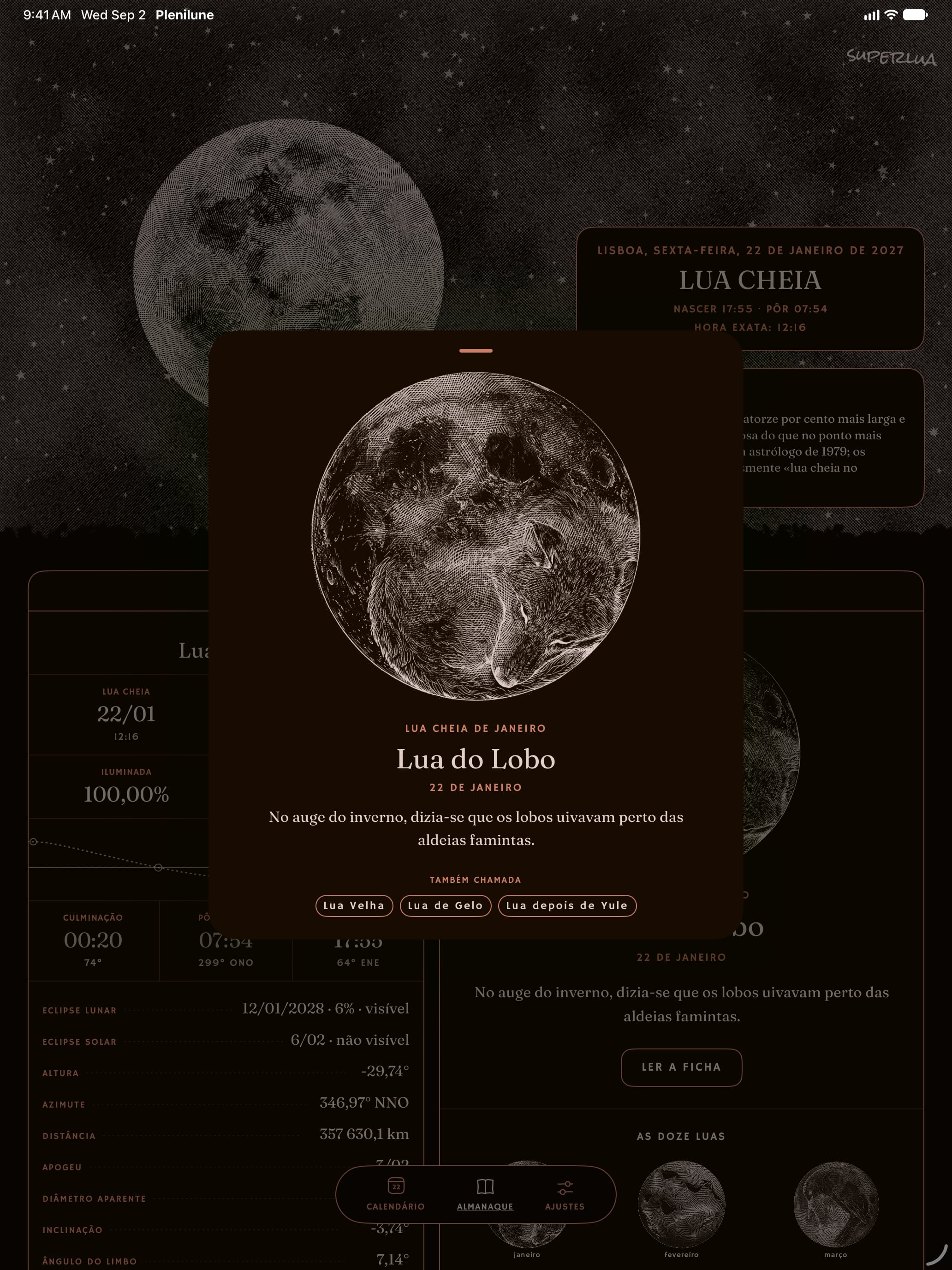
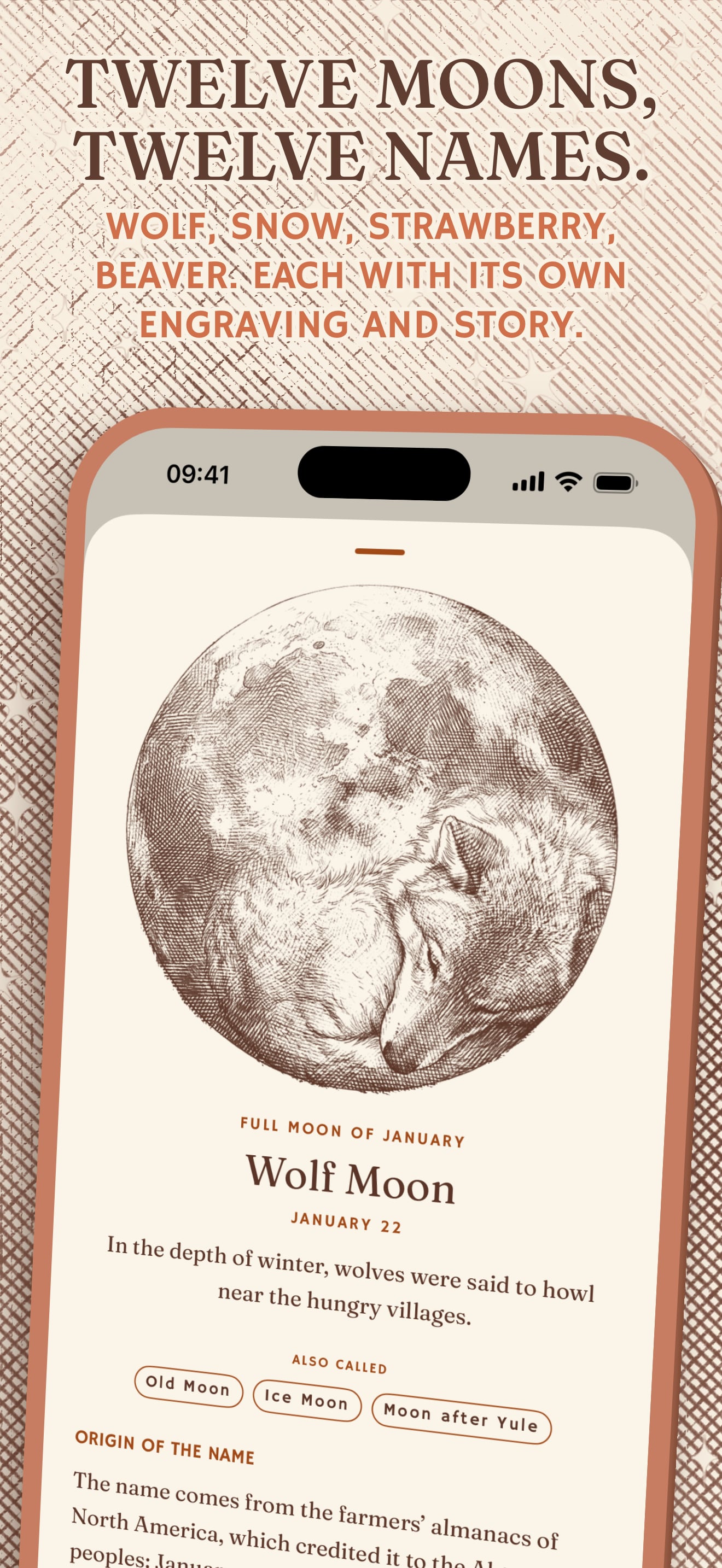
Premium opens the calendar to the past and future, reveals the names and stories of the twelve traditional full moons, alerts you to rare events such as eclipses, supermoons and blue moons, and can send you the morning story. This is how Plenilune can live without advertising.
INSIDE PLENILUNE
• Today's phase: name, age, illumination
• Widgets for Home Screen and Lock Screen
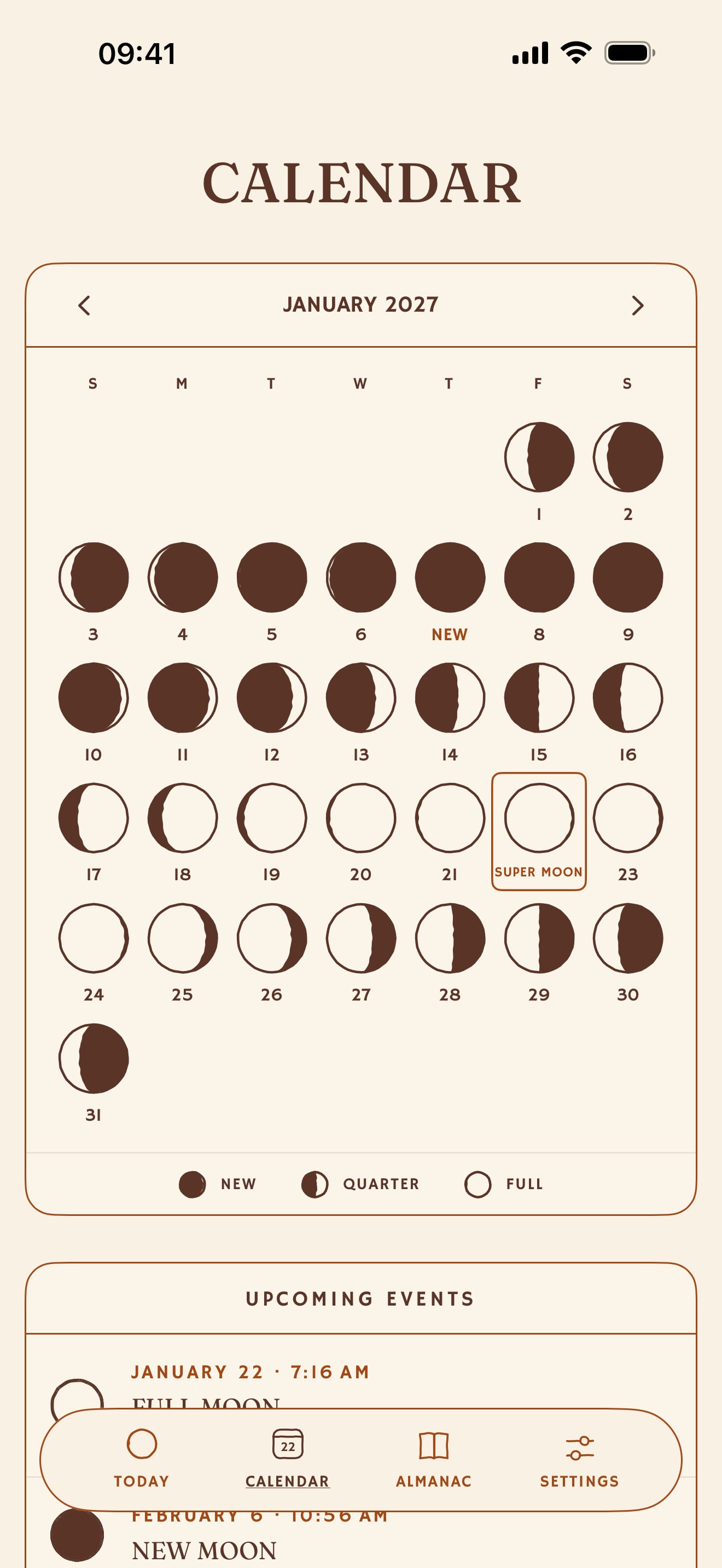
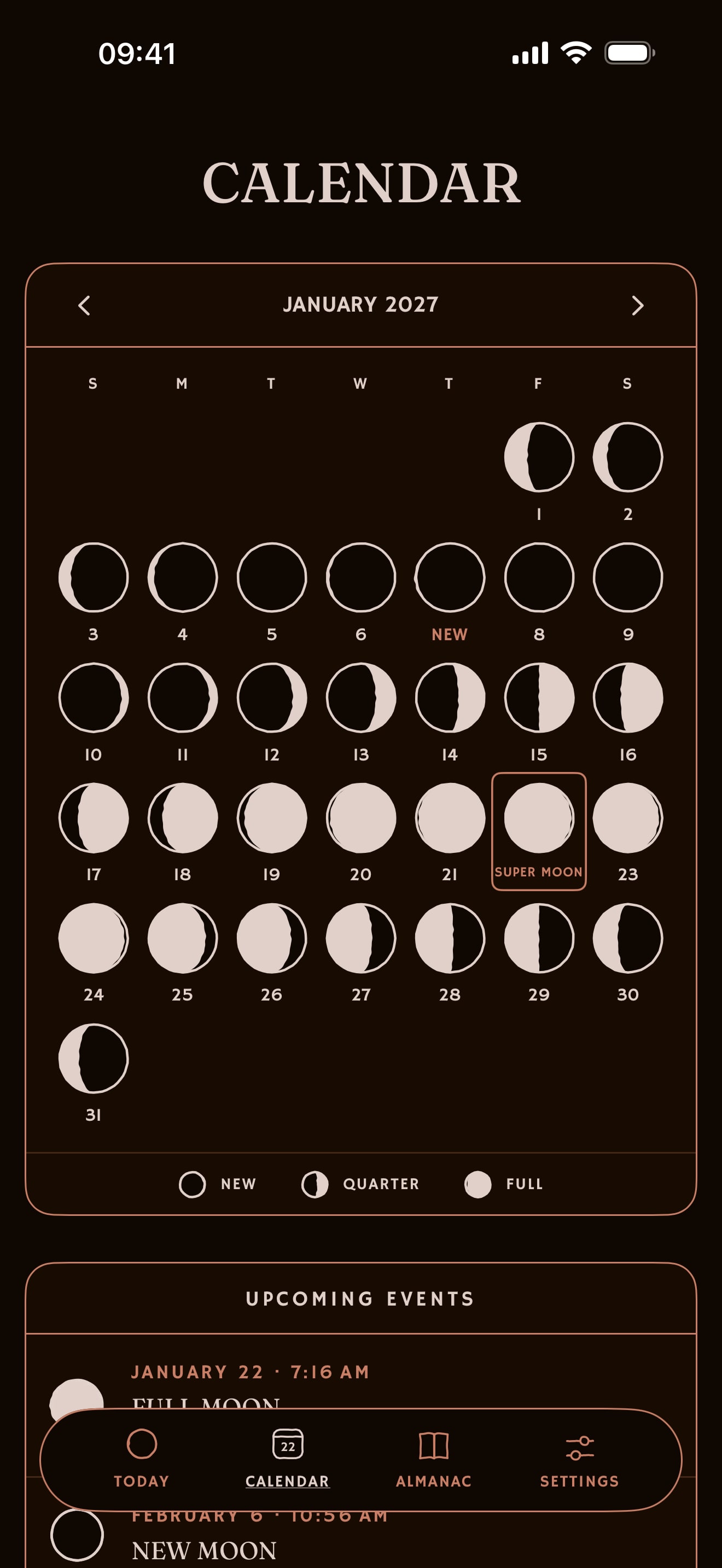
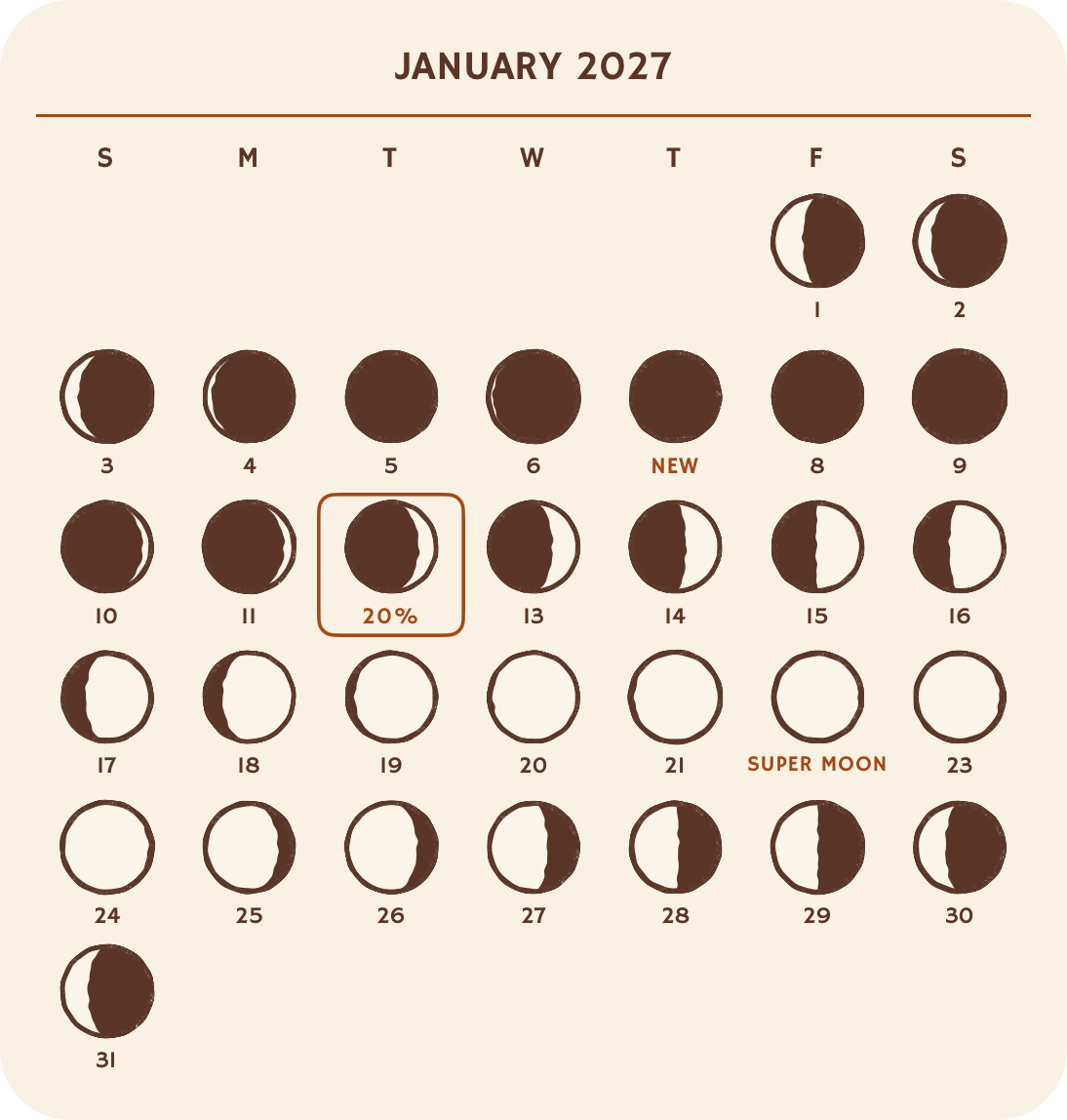
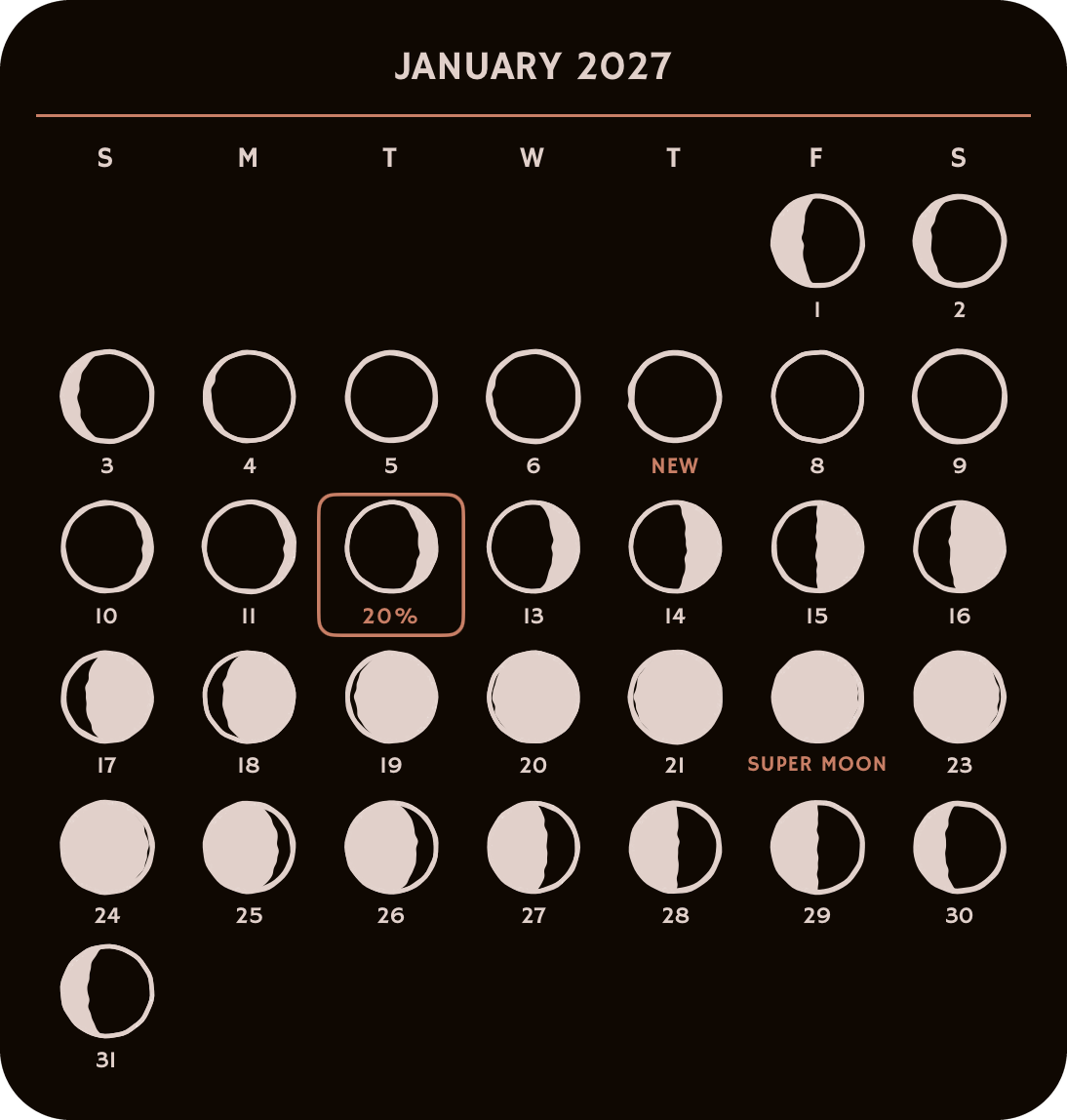
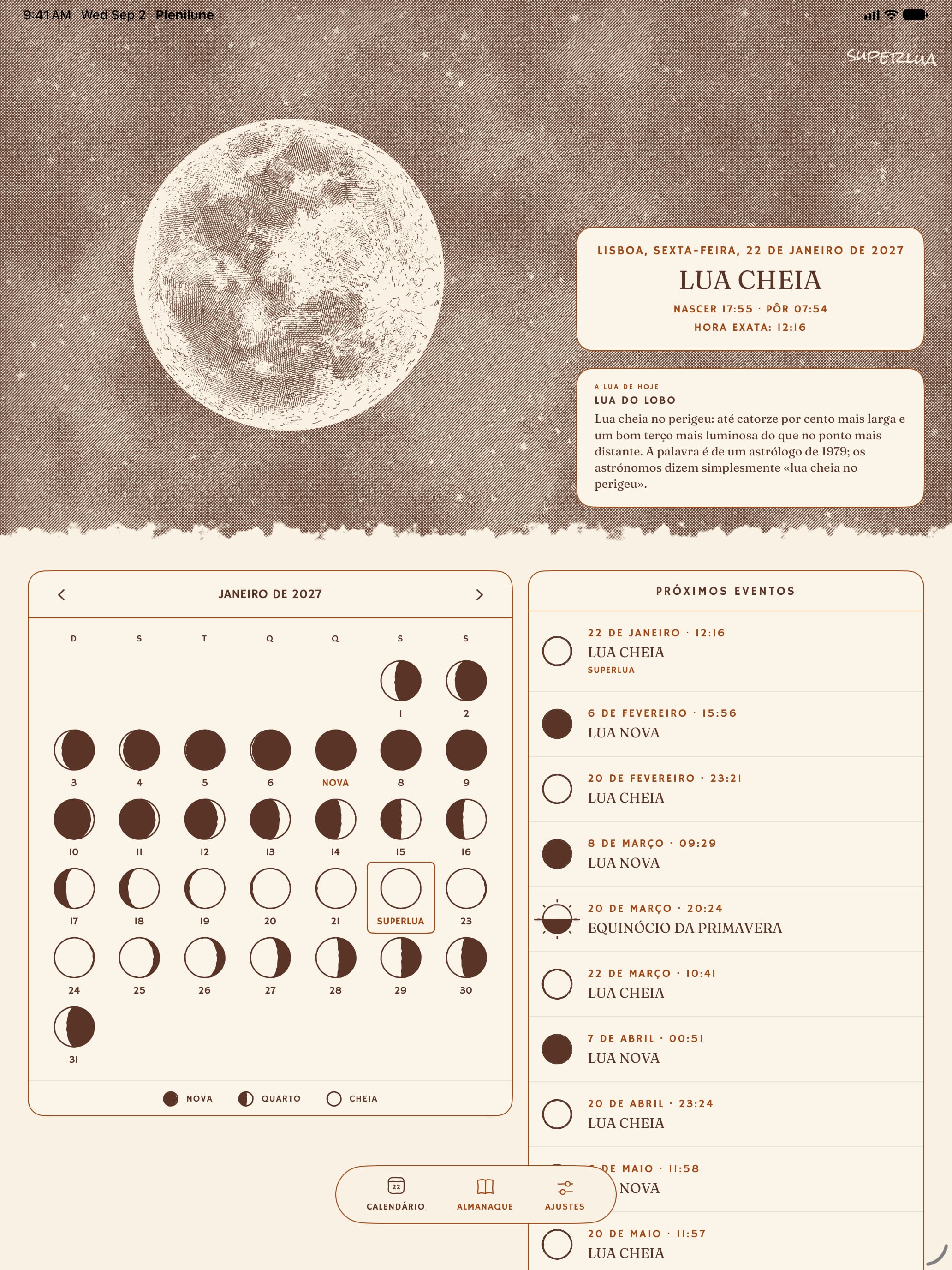
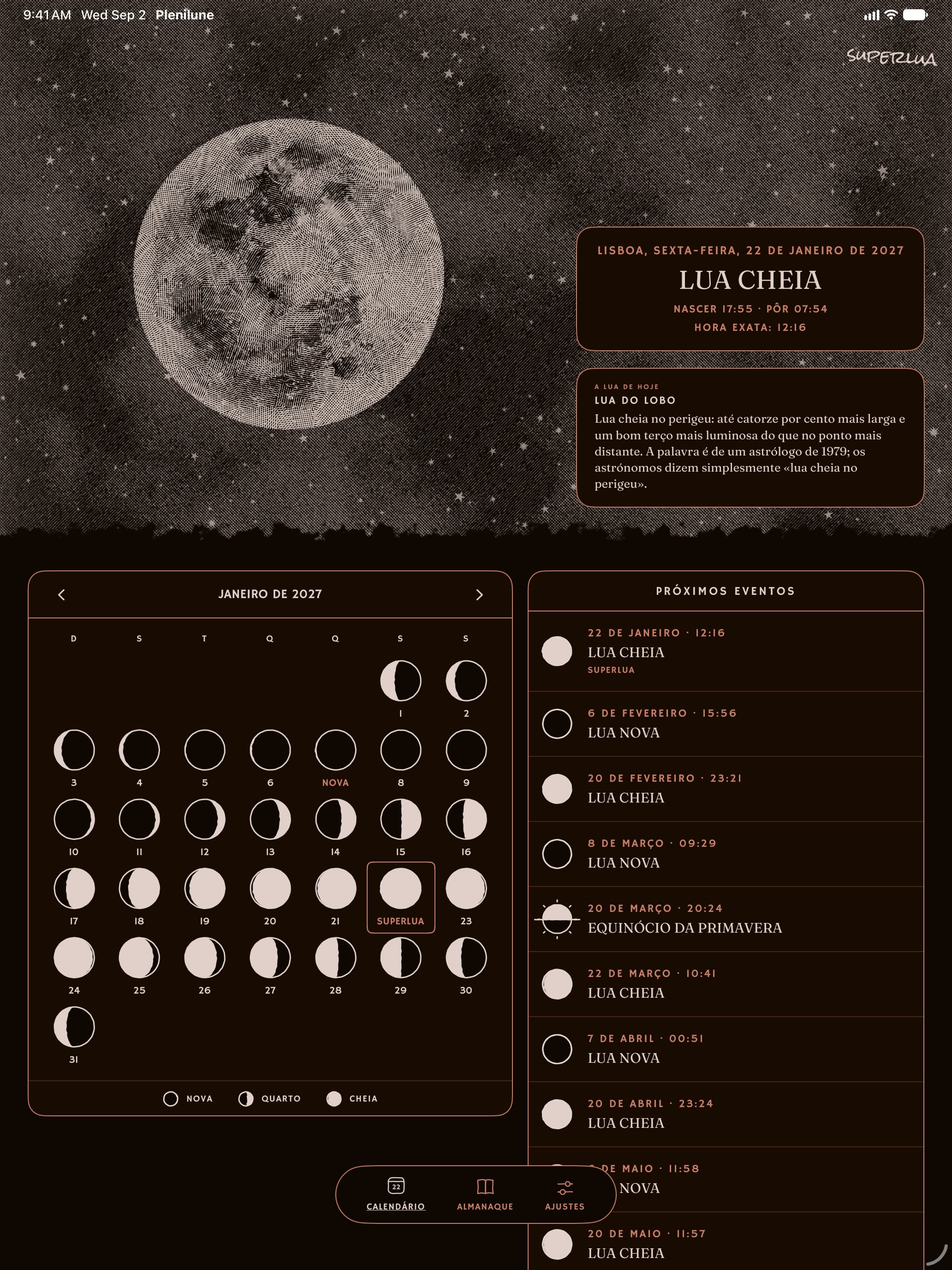
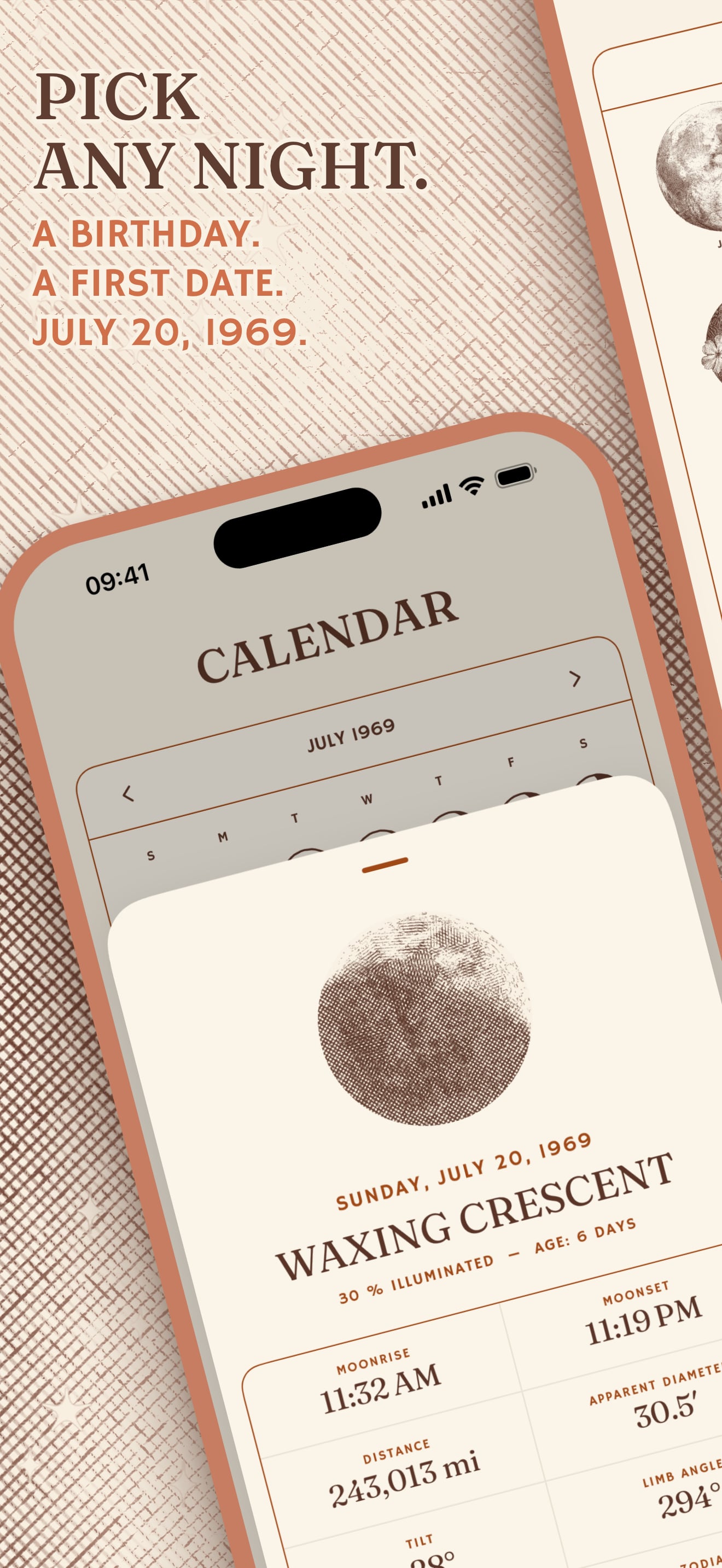
• Monthly calendar, one card per day
• Moonrise and moonset, where you are
• Full and new moons: next dates and notifications
• Eclipses visible from where you are
• Almanac page: Moon, Sun and Sky, with dawn, dusk, astronomical night and the next perigee
• Share the daily note, a day or an eclipse as a Story, a Post or a four-second clip
• No account, no ads, works offline
WITH PREMIUM
• The complete moon story every morning
• Extended calendar, past and future
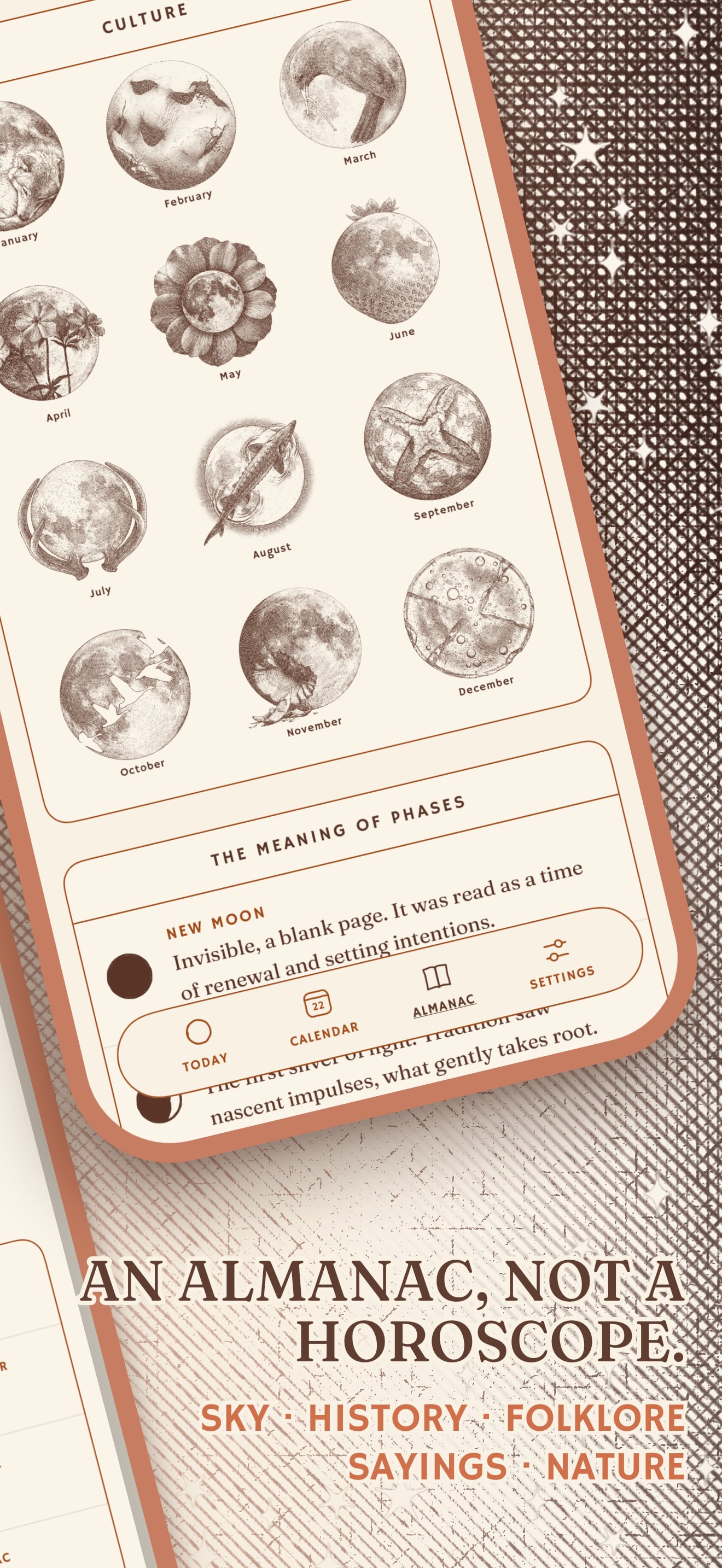
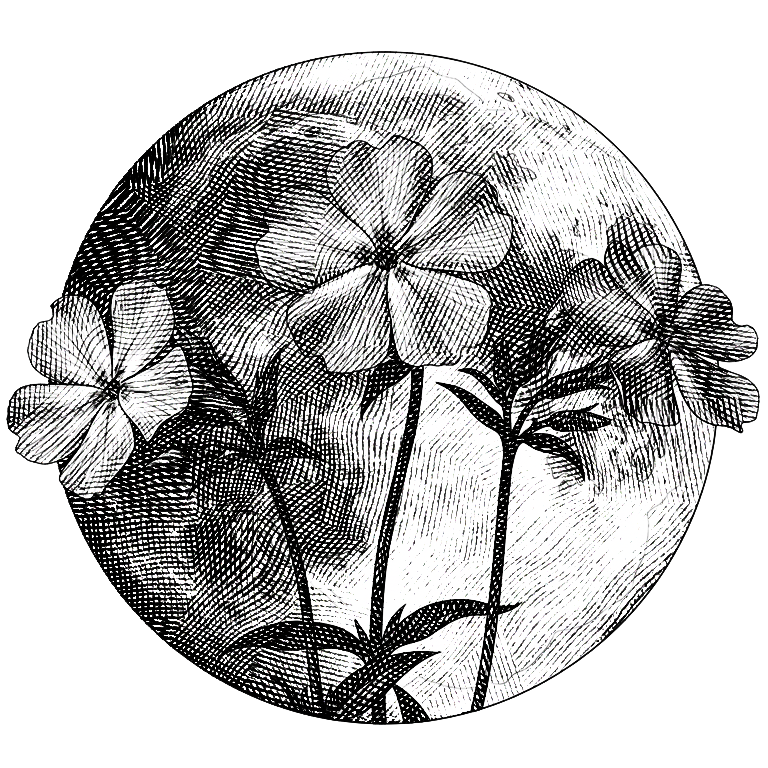
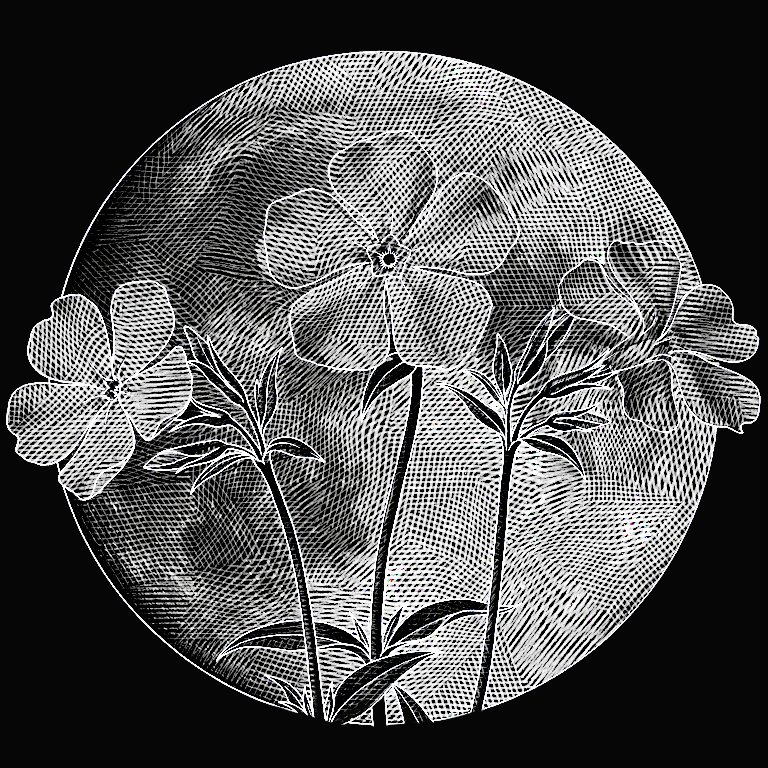
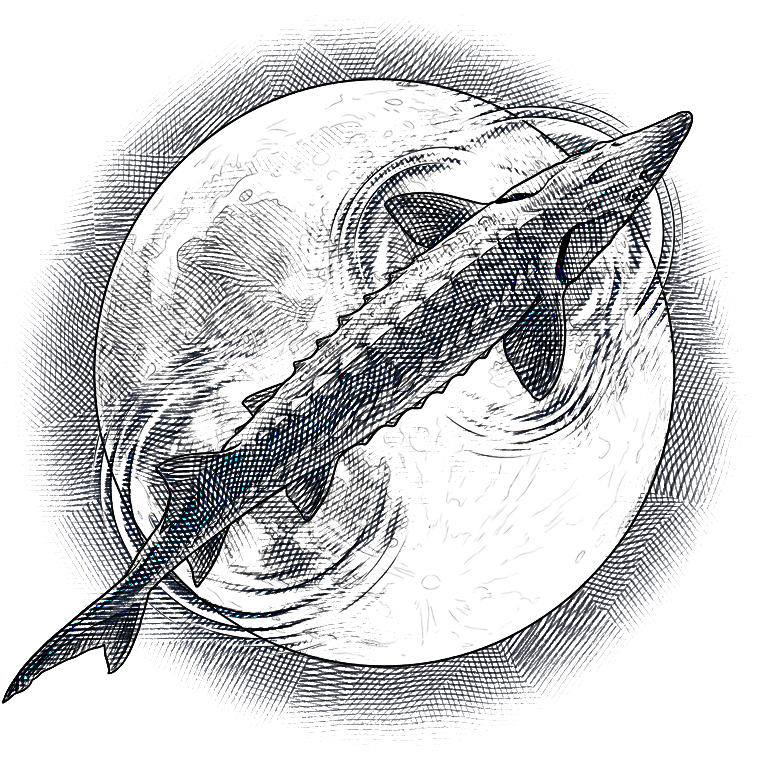
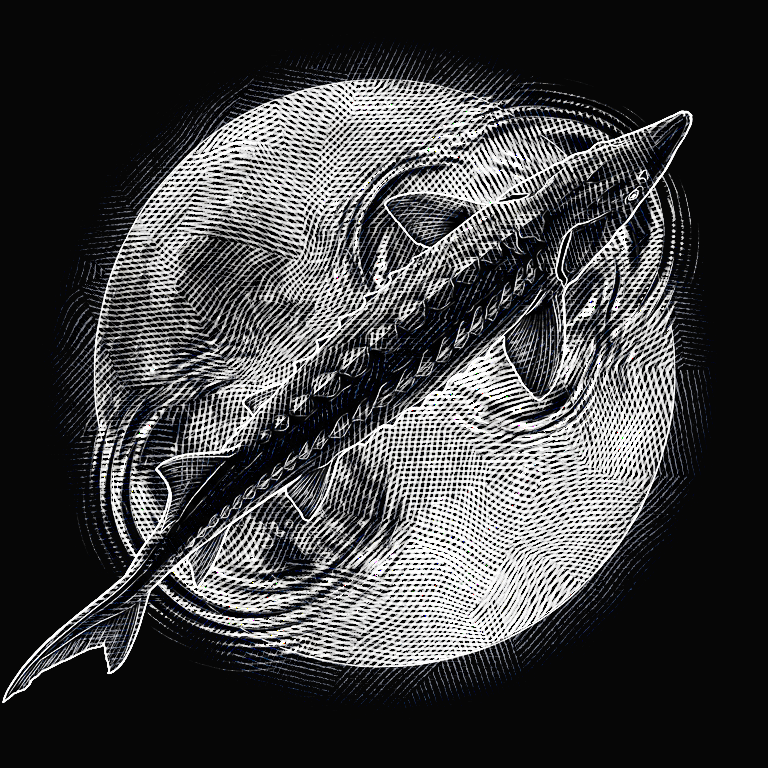
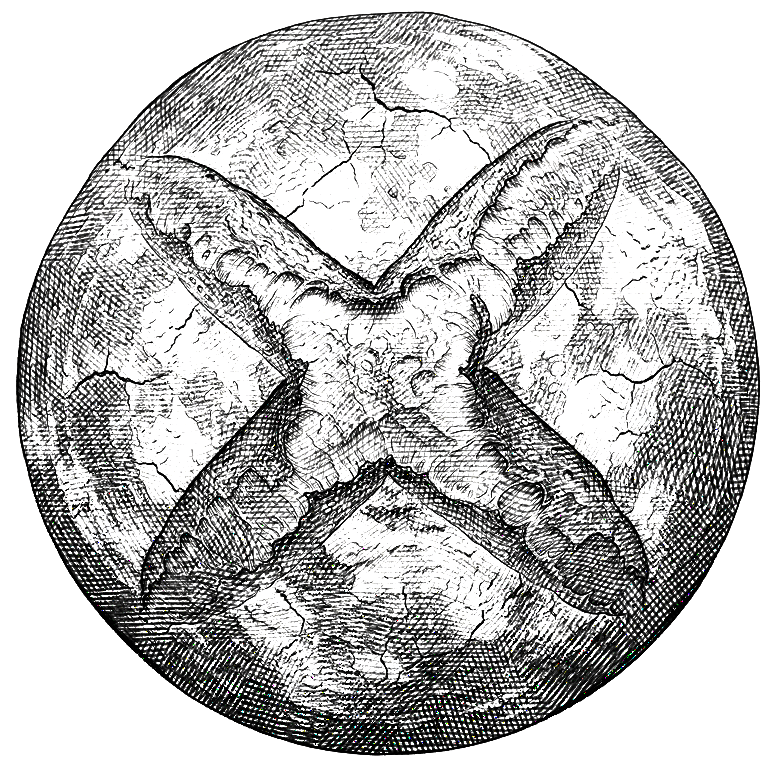
• Stories and engraved emblems of the twelve full moons
• Rare event notifications
• Sixteen engraved app icons
Plenilune Premium is offered as an auto-renewing annual subscription, or a one-time lifetime purchase. Payment is charged to your Apple Account at confirmation. The subscription renews automatically unless turned off at least 24 hours before the end of the current period; it is managed and canceled in your Apple Account settings.
Privacy Policy: https://www.plenilune.app/en/privacy — Terms of Use: https://www.plenilune.app/en/terms